
Designer’s Guide
Sofas shape how guests gather. In custom projects, the important decisions are not only length and fabric, but module logic, cushion recovery, cleaning access, transport constraints, and replacement strategy.
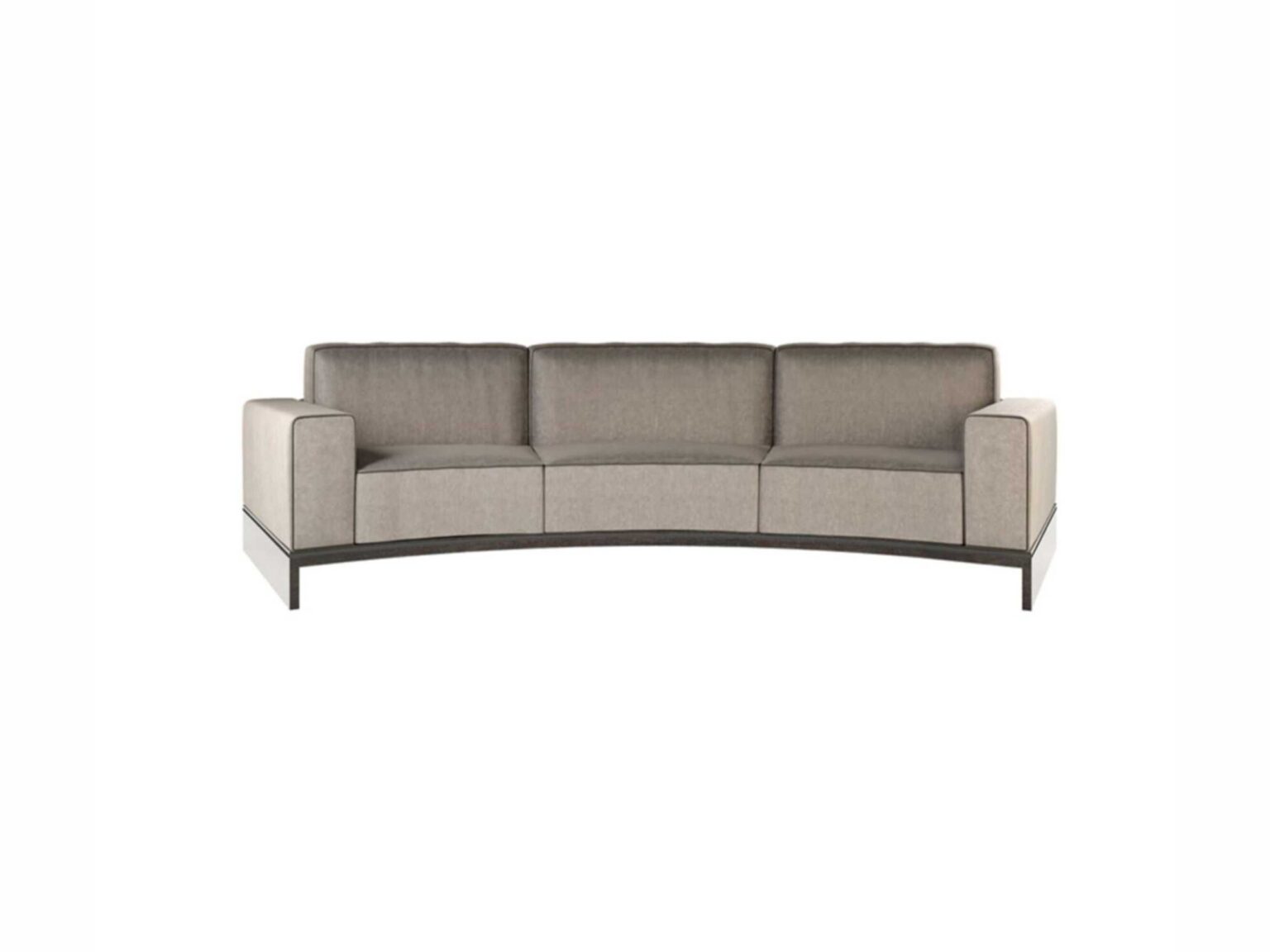 Category reference
Detail examples to review
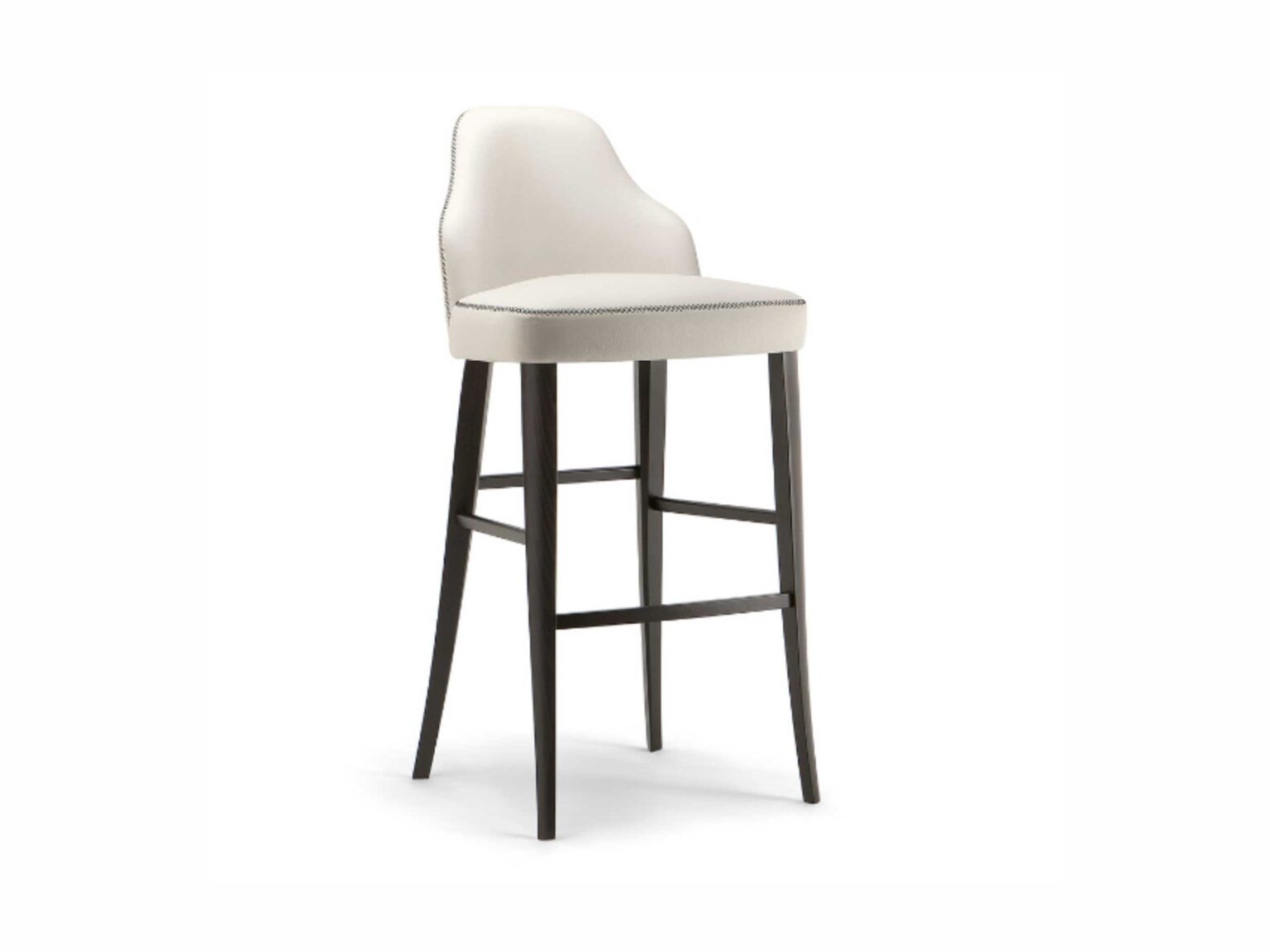
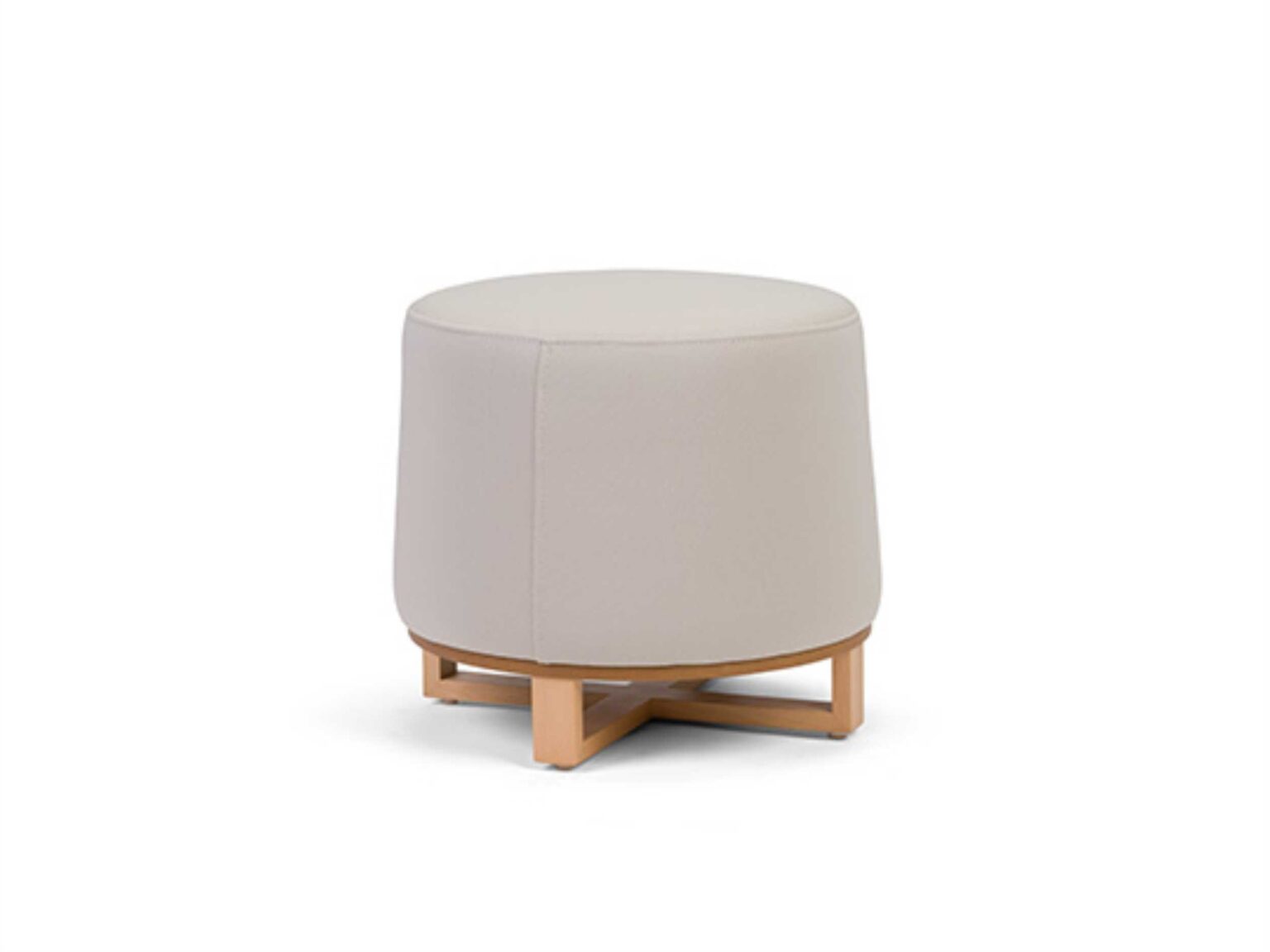
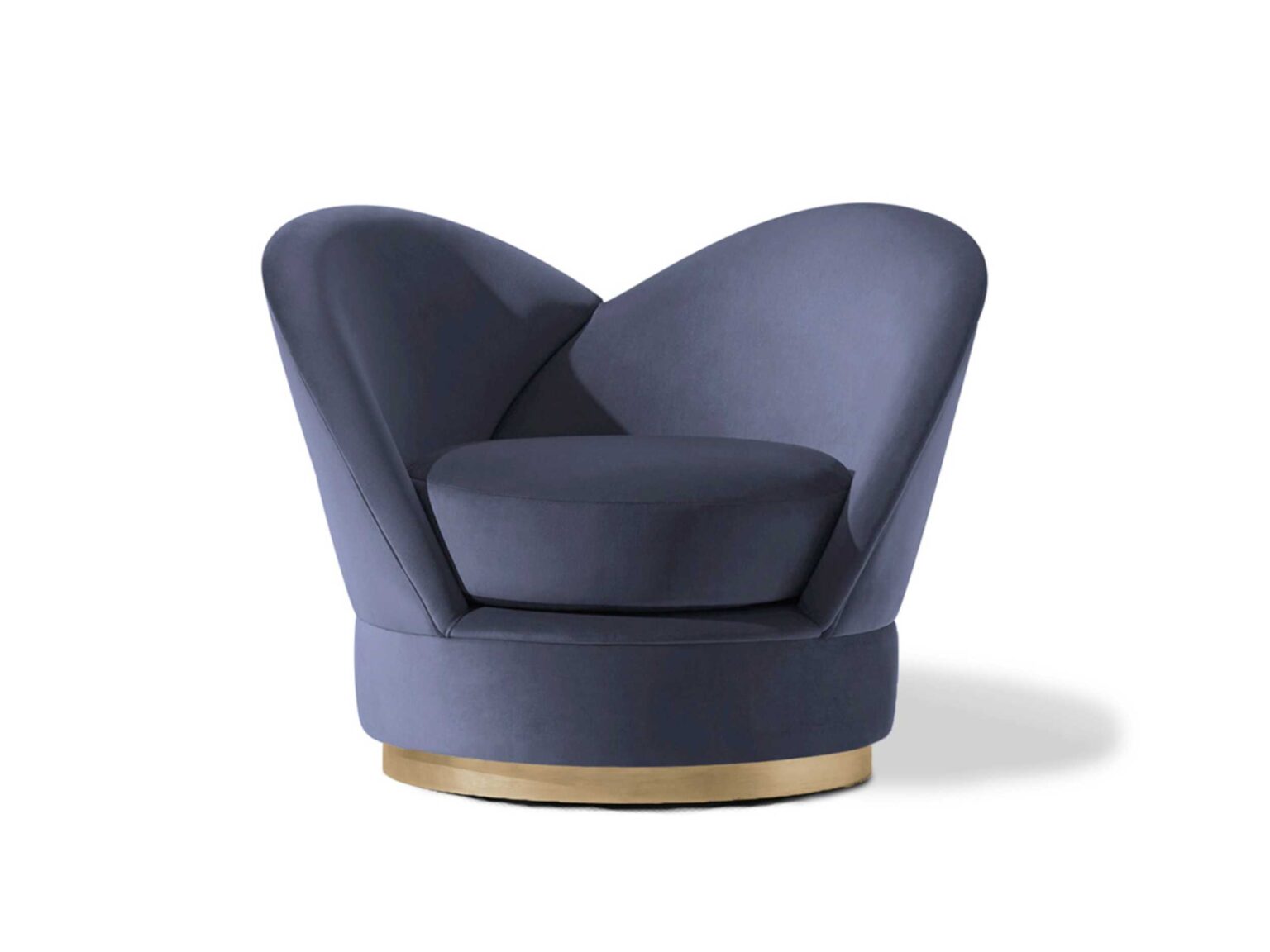
Use the photos as prompts for stitch type, seam direction, tufting, panel breaks, piping, edge protection, and wear-zone placement.
1. Quick Specification Targets
| Item | Typical target | Why it matters |
|---|---|---|
| Seat height | 400-450 mm | Balances lounge comfort and ease of standing up. |
| Seat depth | 550-650 mm | Standard lounge comfort for public spaces. |
| Width per person | 550-650 mm | Determines comfort and realistic capacity. |
| Overall depth | 850-1000 mm | Controls room planning and coffee-table distance. |
| Sofa to coffee table | 450-600 mm | Keeps drinks reachable and circulation comfortable. |
2. Choose the Right Sofa Type
Choose the sofa type by room use, installation route, and guest behavior.
- Two-seat sofa for compact rooms and suites.
- Three-seat sofa for lounges and social zones.
- Curved sofa for feature spaces and panoramic layouts.
- Modular sofa for large or difficult installation routes.
- Chaise sofa for relaxed lounge settings.
- Banquette-style sofa where furniture meets fixed interior elements.
3. Comfort, Proportion, and Use Case
A sofa must recover its shape after repeated use while still feeling generous.
- Select cushion firmness by dwell time and guest profile.
- Use layered foam and fiber wrap rather than softness alone.
- Check seat depth against coffee-table reach.
- Coordinate back cushion height with sightlines.
- Use modules where transport, lifts, corridors, or shipyard access are tight.
4. Construction and Material Strategy
Frame, cushion, upholstery, and access details should be planned together.
- Hardwood or plywood frame with steel reinforcement for long spans.
- High-resilience foam core with comfort wrap.
- Webbing or spring support deck.
- Removable covers or service panels where replacement is expected.
- Module connectors for sectional layouts.
5. Durability and Compliance Questions
For cruise, hospitality, and other heavy-use projects, specify the product as a maintained asset. Ask what must be documented before samples are approved, because the final material package and construction are what matter.
- Upholstery abrasion target: 50,000+ Martindale for high-use public areas where upholstery is used.
- Confirm flame performance, material declarations, and owner documentation requirements before final sample approval.
- Specify cleanable surfaces compatible with the actual housekeeping chemicals and frequency.
- Use replaceable glides, feet, covers, or wear components wherever repeated service is expected.
- Review mockups under project lighting so color, texture, height, and proportion are approved together.
Important: compliance is project-specific. Final approval should always be checked against the vessel, flag, class society, owner specification, local code, and the exact material package selected for production.
6. Wear Zones to Detail Before Production
- Seat fronts.
- Arm tops and outside arms.
- Back top rail.
- Corner modules.
- Legs, plinths, and glides.
7. Layout Planning
- Allow 450-600 mm between sofa and coffee table.
- Keep main circulation clear of chaise ends and corners.
- Confirm elevator, corridor, stair, and shipyard access dimensions.
- Use modular sections for large curved or built-in concepts.
8. Common Specification Mistakes
- Designing one long sofa that cannot reach the room.
- Using loose cushions where operations need fixed order.
- Forgetting replacement cover strategy.
- Ignoring cleaning underneath low plinths.
- Making coffee tables too far away for real use.
9. What to Send for a Precise Quotation
The better the input, the faster the specification can become a buildable offer. Include:
- Overall length, depth, and module breakdown.
- Seat height, seat depth, and cushion firmness.
- Upholstery, seam direction, and piping details.
- Leg, plinth, or base finish.
- Installation route and access constraints.
- Cleaning, compliance, and replacement-cover requirements.
Ready to specify custom indoor sofas?
Njords Ark can translate sketches, mood boards, product references, or full drawing packages into a buildable furniture specification for cruise, hospitality, and high-use interior projects.
Contribute to this guide
Are you a cruise, hospitality, marine, or furniture designer with practical experience customizing indoor sofas? Share a detail, pitfall, material note, or specification lesson and we may include selected notes in a future update.
Contributors can be credited by name and company, or kept anonymous if preferred.
Submit a designer note or use the contact form.


