

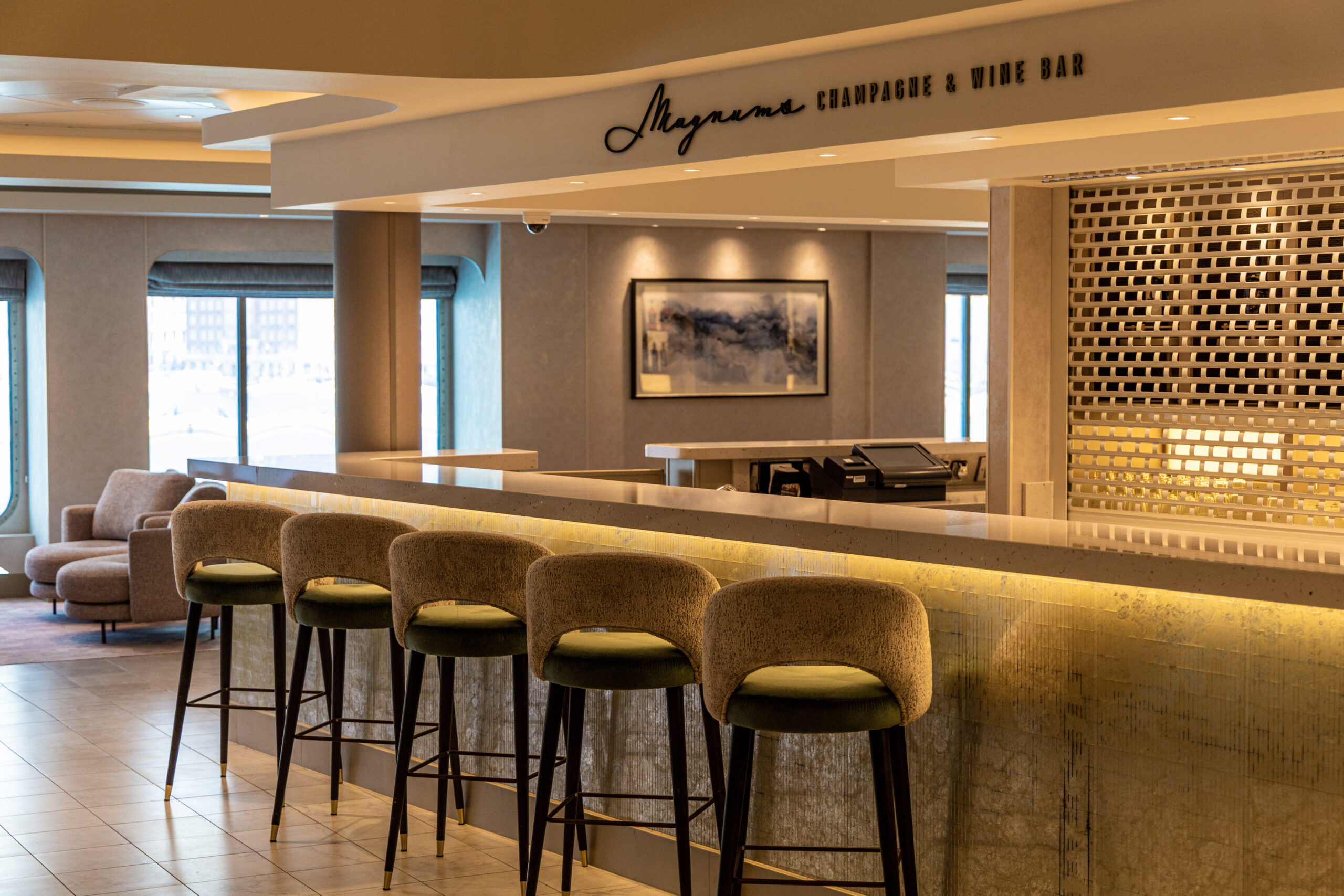
Designer’s Guide
Indoor bar stools look simple until they reach a real bar. A successful stool has to fit the counter, support the guest, survive repeated rotation and cleaning, protect the footrest, and still carry the design language of the space. Use this guide as a specification checklist before requesting a custom quotation.
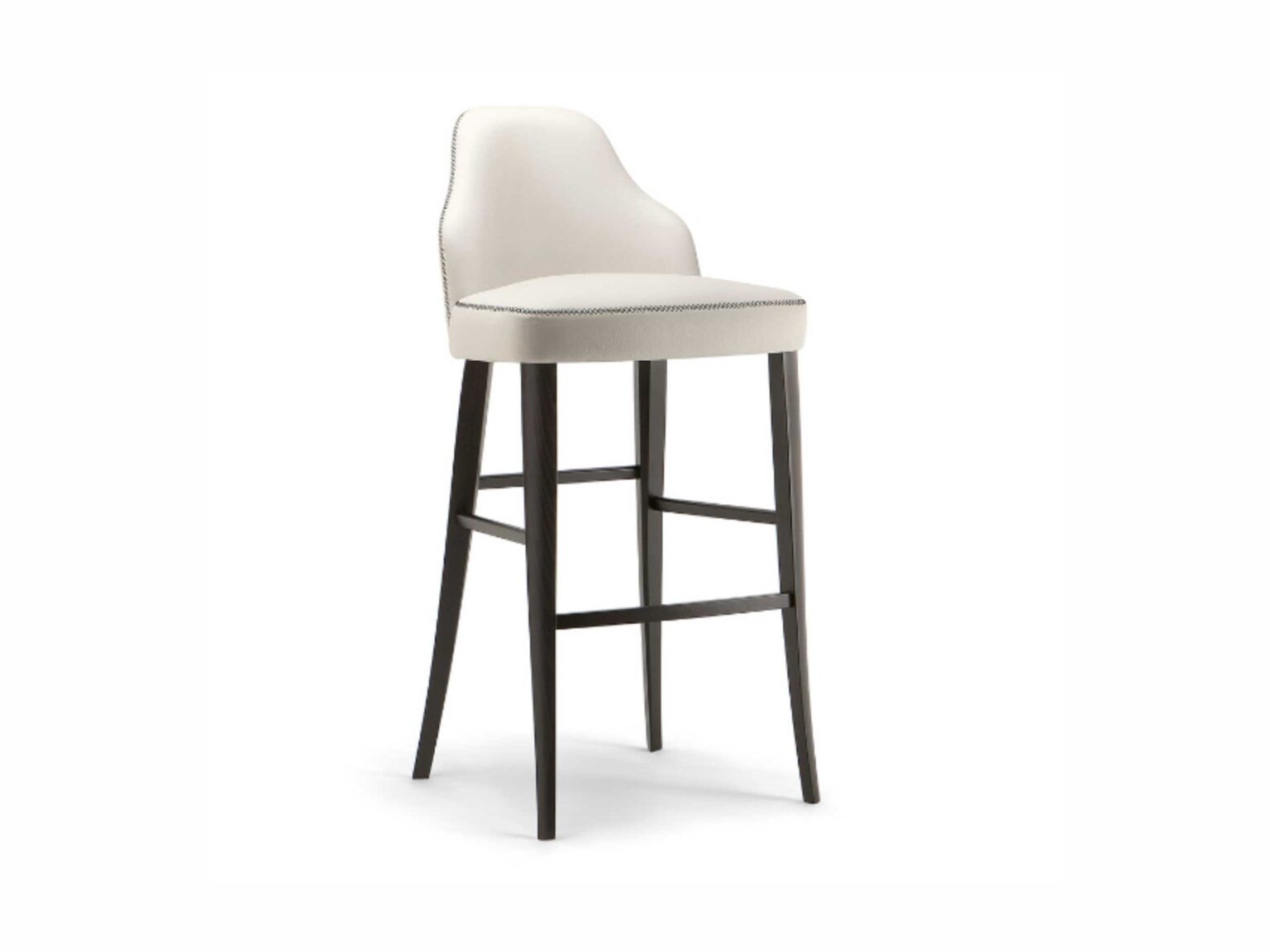 Category reference
Detail examples to review
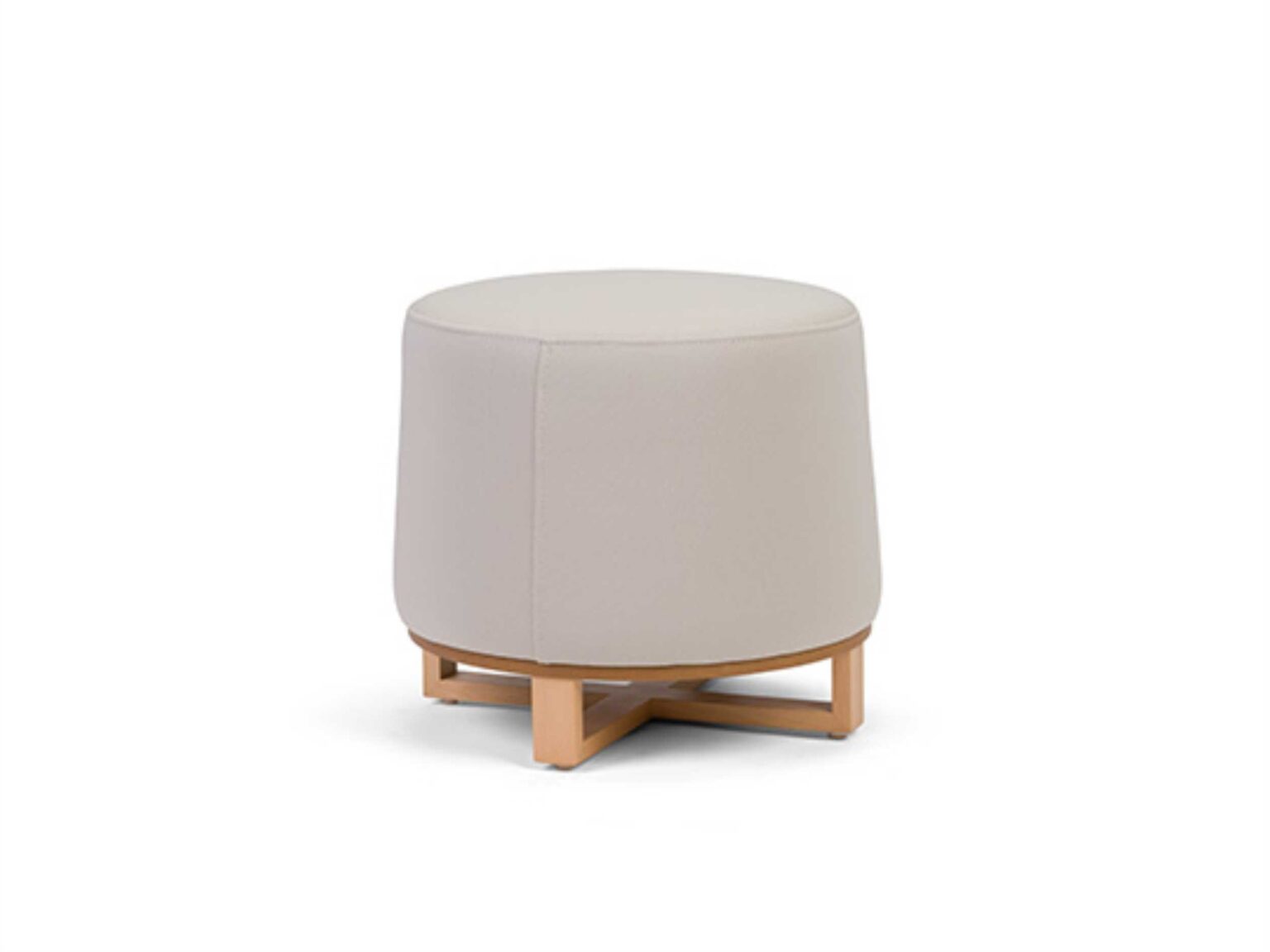
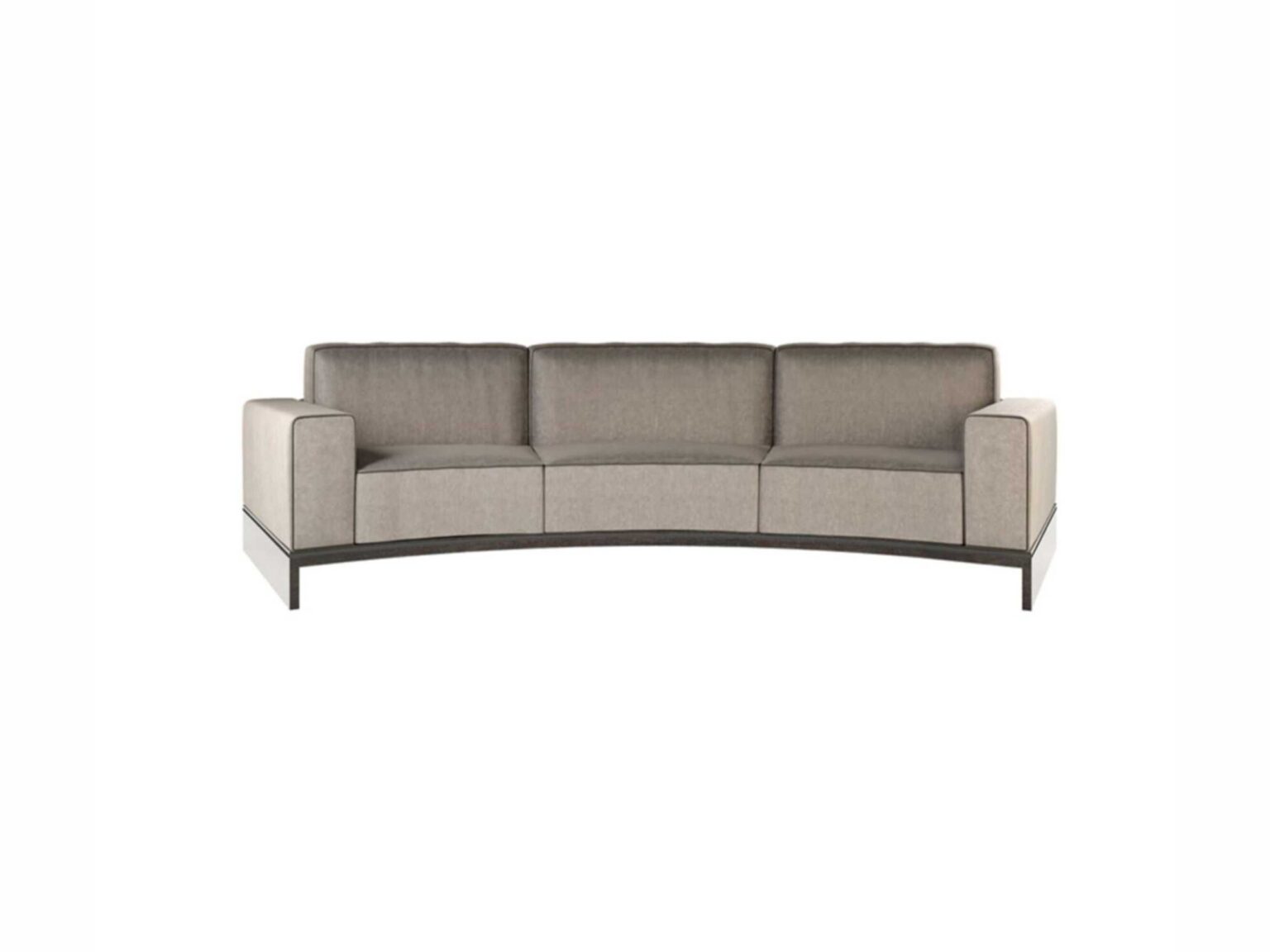
Use the photos as prompts for stitch type, seam direction, tufting, panel breaks, piping, edge protection, and wear-zone placement.
1. Quick Specification Targets
| Item | Typical target | Why it matters |
|---|---|---|
| Seat height | 750-780 mm for standard bar height | Keeps the guest at the right relationship to the counter top. |
| Seat-to-counter clearance | 250-300 mm | Prevents knees from feeling trapped while keeping the posture upright. |
| Seat width | 480-550 mm | Balances comfort, bar capacity, and visual rhythm. |
| Seat depth | 420-470 mm | Supports the guest without pushing them too far from the counter. |
| Backrest angle | Approx. 95-105 deg | Gives support while maintaining an active bar posture. |
| Footrest drop | 300-320 mm below seat | Critical for comfort because most guests cannot rest their feet on the floor. |
| Width per stool | 600-750 mm | Determines elbow room, service comfort, and final stool count. |
2. Choose the Right Bar Stool Type
Start with the location and behavior of the guest, not with the silhouette. A stool at a fast-service bar can be simpler and more compact. A stool in a premium lounge or cruise cocktail venue usually needs more back support, better upholstery, and a more generous footprint.
- Backless stool: compact, easy to tuck under the counter, best for short dwell times.
- Low-back stool: a balanced choice where the chair should support the guest without blocking sightlines.
- Full-back stool: better comfort for longer stays, but needs more rear clearance.
- Armrest stool: premium comfort, useful in lounges, but requires careful spacing and counter clearance.
- Swivel stool: convenient at fixed bars, but the mechanism must be contract grade and serviceable.
- Fixed-leg stool: visually lighter and often more stable, but guests need more room to move it.
- Pedestal or floor-mounted stool: useful where position control matters, but must be coordinated early with flooring and fixing details.
3. Ergonomics and Comfort
Bar stools are taller than dining chairs, so small ergonomic mistakes are more visible. The seat must support the guest before their feet find the footrest. If the footrest is wrong, the whole stool feels wrong.
- Use a slightly crowned or waterfall seat front to reduce pressure behind the legs.
- Keep the front edge soft enough for comfort but reinforced enough to resist wear.
- Confirm the backrest does not push the guest too far from the counter.
- Coordinate armrests with counter overhang and under-counter details.
- Mock up one stool when the project involves custom height, thick upholstery, or unusual counter details.
4. Upholstery Construction
A high-use bar stool needs a tougher upholstery build-up than a decorative stool. The front edge, side panels, and back top receive repeated contact from legs, hands, belts, bags, and cleaning.
- Contract fabric, leather, or marine-grade vinyl cover.
- Fiber wrap to soften edges and reduce fabric stress.
- High-resilience foam, typically 35-45 kg/m3 for seats and 25-30 kg/m3 for backs.
- Elastic webbing, molded foam, or shaped shell support.
- Molded plywood shell or reinforced seat pan.
- Reinforcement blocks at fixing and swivel points.
- Steel, stainless steel, or hardwood structural frame.
5. Stitching and Upholstery Details
Stitching should be chosen for maintenance as much as appearance. Raised details look beautiful, but they also create high-contact ridges. Use them where they can be cleaned and where they will not become the first failure point.
- Single seam for a clean contemporary expression.
- Double seam for added definition and durability.
- French seam for premium upholstery detailing.
- Piping or welt to protect and define edges.
- Channel stitching for visual rhythm, with careful cleaning review.
- Blind stitch where the design needs a quieter edge.
Recommended thread: UV-resistant contract polyester thread. For heavy-use areas, maintain consistent stitch density and reinforce curved stress points.
6. Frame, Footrest, and Structural Materials
The frame must resist racking, twisting, and repeated guest movement. The footrest is usually the most abused part of the stool, so treat it as a replaceable wear component rather than a decorative afterthought.
| Component | Good options | Specification note |
|---|---|---|
| Frame | Powder coated steel, stainless steel, solid hardwood | Choose by interior exposure, cleaning routine, and design language. |
| Footrest | Stainless steel sleeve, metal rail, replaceable wear strip | Protect the most contacted surface. |
| Seat fixing | Reinforced mounting plate or hardwood blocks | Especially important for swivel and pedestal stools. |
| Glides | Nylon, felt, rubber, or floor-specific glide | Match to carpet, timber, tile, or marine flooring. |
| Swivel mechanism | Contract-grade return or non-return swivel | Confirm load rating, access, and replacement route. |
7. Durability and Marine Compliance Questions
For hospitality and cruise projects, the stool should be specified as a maintained asset, not just a delivered object. Ask early what documents the project needs, because a beautiful custom material package is not useful if it cannot be approved.
- Static load target: commonly 200-250 kg, adjusted to project requirements.
- Upholstery abrasion: 50,000+ Martindale is a useful starting point for high-use indoor areas.
- Fire performance: confirm whether IMO 2010 FTP Code Part 8, MED, SOLAS, flag, class, or local requirements apply.
- Test basis: confirm whether documentation must cover the final upholstery, foam, treatment, and production construction.
- Cleaning: test the upholstery and finish against the actual cleaning chemicals and frequency.
- Serviceability: specify replaceable glides, footrest protection, and access to mechanisms.
Important: compliance is project-specific. Final approval should always be checked against the vessel, flag, class society, owner specification, and the exact material package selected for production.
8. Wear Zones to Detail Before Production
- Seat front edge: specify foam density, seam position, and upholstery protection.
- Footrest: use stainless protection or a replaceable wear surface.
- Arm tops: consider leather, vinyl, timber, or reinforced upholstery where hands repeatedly touch.
- Back top edge: protect against hands, bags, and cleaning contact.
- Frame joints: avoid weak welds or unsupported long spans.
- Glides: make them replaceable and floor-specific.
9. Bar Layout Planning
A good stool can still fail in a poor layout. Confirm the dimensions with the actual bar, not only with a furniture drawing.
- Allow 600-750 mm width per stool depending on comfort level and armrests.
- Allow 900-1100 mm behind occupied stools where guests and staff circulate.
- Allow at least 450 mm for light circulation behind a stool in tighter layouts.
- Check counter overhang, handbag hooks, under-counter lighting, and service panels.
- For fixed stools, coordinate floor fixing, waterproofing, access panels, and replacement route before production.
10. Common Specification Mistakes
- Choosing the stool height before the final counter height is known.
- Forgetting that thick upholstery changes the real seated height.
- Using a decorative footrest finish that wears quickly.
- Specifying armrests that do not clear the counter.
- Approving a swivel stool without checking mechanism access and replacement.
- Testing fabric separately but not confirming the final upholstered construction.
- Underestimating rear clearance in busy bars.
11. What to Send for a Precise Quotation
The better the input, the faster the specification can become a buildable offer. Include:
- Counter height, counter depth, and overhang.
- Required quantity and delivery schedule.
- Loose, fixed, swivel, or floor-mounted requirement.
- Preferred seat width, back height, and armrest direction.
- Fabric, leather, or vinyl reference, including color and cleaning expectations.
- Frame finish reference and footrest finish.
- Floor type and glide requirement.
- Any IMO, MED, SOLAS, flag, class, owner, or brand compliance requirements.
- Drawings, renderings, mood boards, or reference photos.
Ready to specify custom bar stools?
Njords Ark can help translate sketches, mood boards, product references, or full drawing packages into a buildable furniture specification for cruise, hospitality, and high-use interior projects.
Contribute to this guide
Are you a cruise, hospitality, marine, or furniture designer with practical experience customizing indoor bar stools? Share a detail, pitfall, material note, or specification lesson and we may include selected notes in a future update.
Contributors can be credited by name and company, or kept anonymous if preferred.
Submit a designer note or use the contact form.


