
Designer’s Guide
Sunloungers are mechanical, tactile, and highly exposed. The specification needs to cover recline comfort, sling or cushion construction, wheels, stacking, cleaning, and the guest spacing plan.
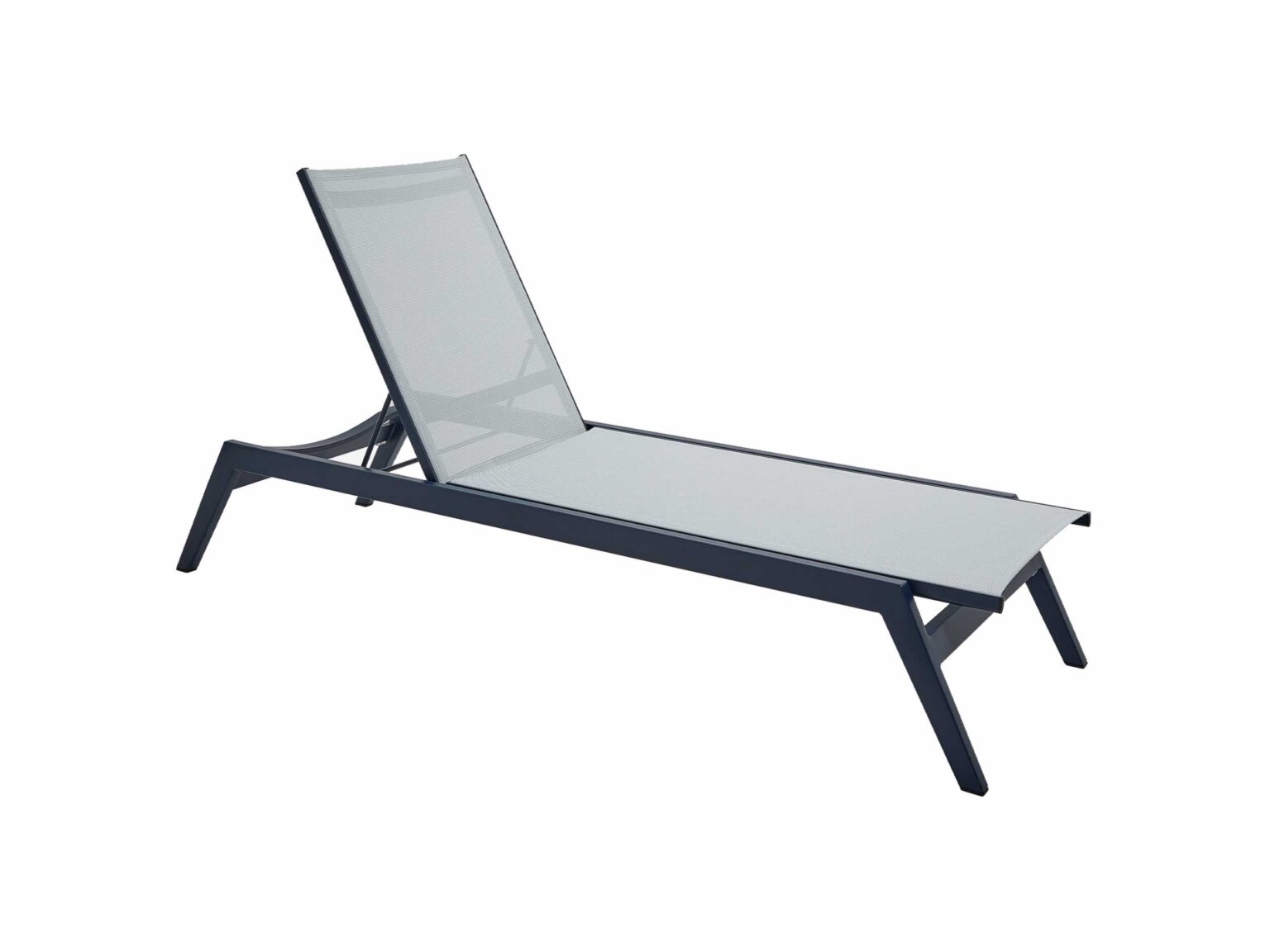 Category reference
Detail examples to review
Outdoor specification succeeds in the details: drainage, UV stability, corrosion, serviceable hardware, and cleanable construction.


1. Quick Specification Targets
| Item | Typical target | Why it matters |
|---|---|---|
| Typical length | 1950-2100 mm | Supports full-body reclining. |
| Typical width | 650-800 mm | Balances comfort and deck density. |
| Seat height | 300-400 mm | Keeps entry and exit comfortable. |
| Recline positions | Multiple positions | Supports reading, lounging, and sunbathing. |
| Side clearance | Project-specific, service-friendly | Allows access, towels, and cleaning. |
2. Choose the Right Sunlounger Type
Choose sunlounger type by guest experience and operational handling.
- Flat sunlounger.
- Adjustable-back sunlounger.
- Stackable sunlounger.
- Sunlounger with wheels.
- Cushioned sunlounger.
- Sling sunlounger.
- Double sunlounger.
3. Comfort, Proportion, and Use Case
Sunlounger comfort depends on surface tension, recline operation, and heat behavior.
- Use recline hardware guests can operate easily.
- Select sling tension or cushion thickness by comfort level.
- Review headrest and pillow strategy.
- Confirm surface temperature in full sun.
- Coordinate side tables and towel zones.
4. Construction and Material Strategy
Moving parts and exposed fabrics are the key specification risks.
- Powder coated aluminum, teak, treated hardwood, textilene, outdoor sling fabric, outdoor cushion fabric, quick-dry foam, and stainless recline hardware.
- Replaceable wheels, glides, slings, and cushions.
- Stacking protection at contact points.
- Drainable cushion and frame details.
- UV-stable finishes.
5. Durability and Compliance Questions
For cruise, hospitality, and other heavy-use projects, specify the product as a maintained asset. Ask what must be documented before samples are approved, because the final material package and construction are what matter.
- Use UV-stable finishes, fibers, and upholstery suited to the exposure level.
- Confirm corrosion-resistant frames and hardware, especially in salt-air or pool environments.
- Avoid water traps and specify drainage paths through cushions, tops, frames, and weave details.
- Specify replaceable glides, feet, slings, covers, or wear components before production.
- Confirm cleaning chemistry, cover/storage routine, and project documentation requirements before final sample approval.
Important: compliance is project-specific. Final approval should always be checked against the vessel, flag, class society, owner specification, local code, and the exact material package selected for production.
6. Wear Zones to Detail Before Production
- Headrest zone.
- Seat sling or cushion center.
- Recline hinges.
- Wheel assemblies.
- Stacking contact points.
7. Layout Planning
- Allow side clearance for guest access and service.
- Coordinate rows with pool deck circulation.
- Plan towel, side table, and shade positions.
- Confirm storage requirements for stacking or cushions.
8. Common Specification Mistakes
- Choosing recline hardware without service access.
- Forgetting wheel compatibility with deck surfaces.
- Using cushion foam that retains water.
- Ignoring stack height and storage.
- Overpacking loungers so service aisles disappear.
9. What to Send for a Precise Quotation
The better the input, the faster the specification can become a buildable offer. Include:
- Quantity, location, and deck surface.
- Frame material, sling or cushion choice, and color reference.
- Recline mechanism, wheel requirement, and stacking requirement.
- Exposure level, cover/storage routine, and cleaning method.
- Spacing plan and accessories such as side tables or shade.
- Compliance and documentation requirements.
Ready to specify custom sunloungers?
Njords Ark can translate sketches, mood boards, product references, or full drawing packages into a buildable furniture specification for cruise, hospitality, and high-use interior projects.
Contribute to this guide
Are you a cruise, hospitality, marine, or furniture designer with practical experience customizing sunloungers? Share a detail, pitfall, material note, or specification lesson and we may include selected notes in a future update.
Contributors can be credited by name and company, or kept anonymous if preferred.
Submit a designer note or use the contact form.


