
Designer’s Guide
Daybeds are destination pieces. They need to feel generous and calm, but the specification must still handle drainage, cushion management, privacy, weather exposure, and deck fixing requirements.
 Category reference
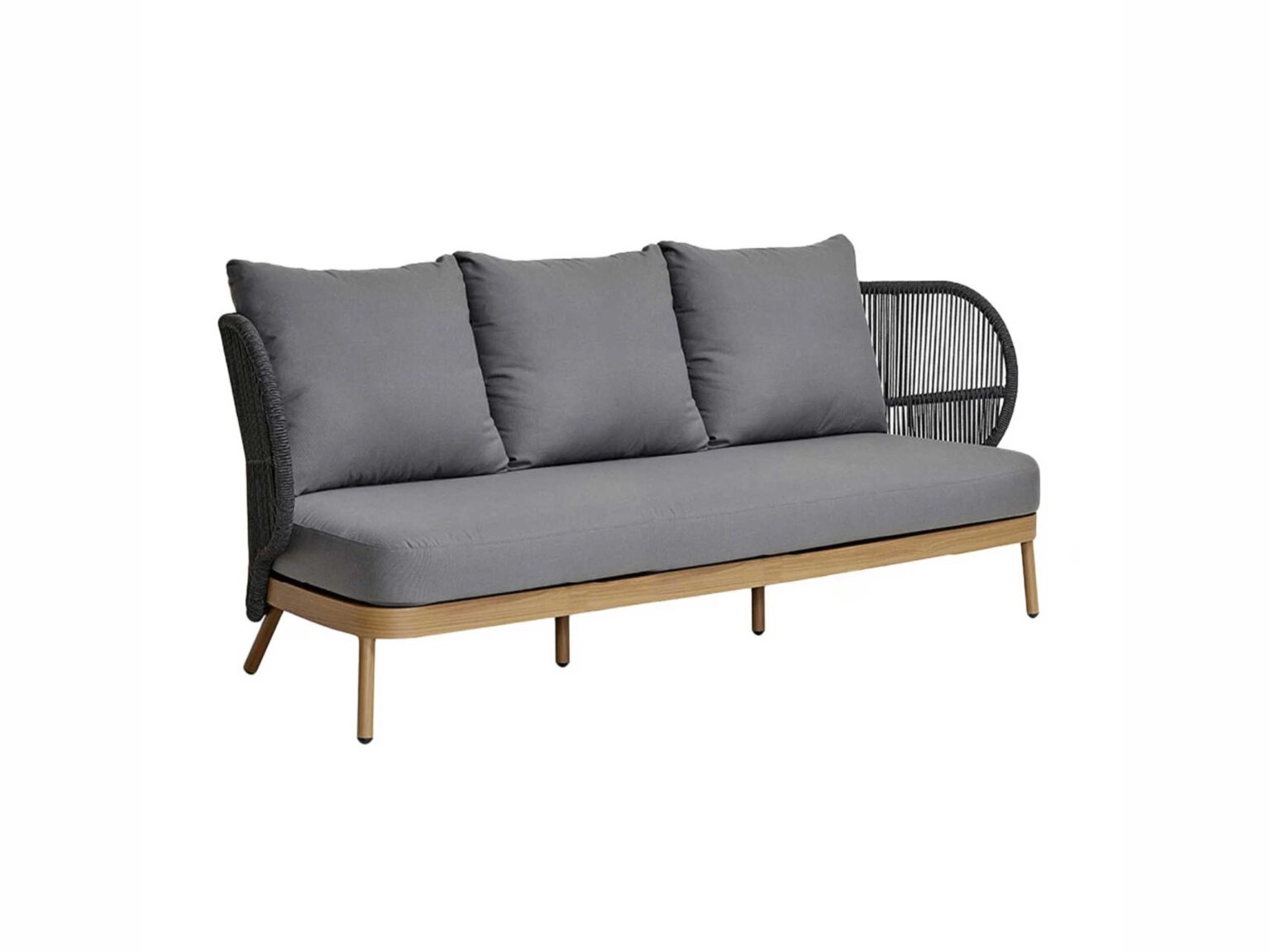
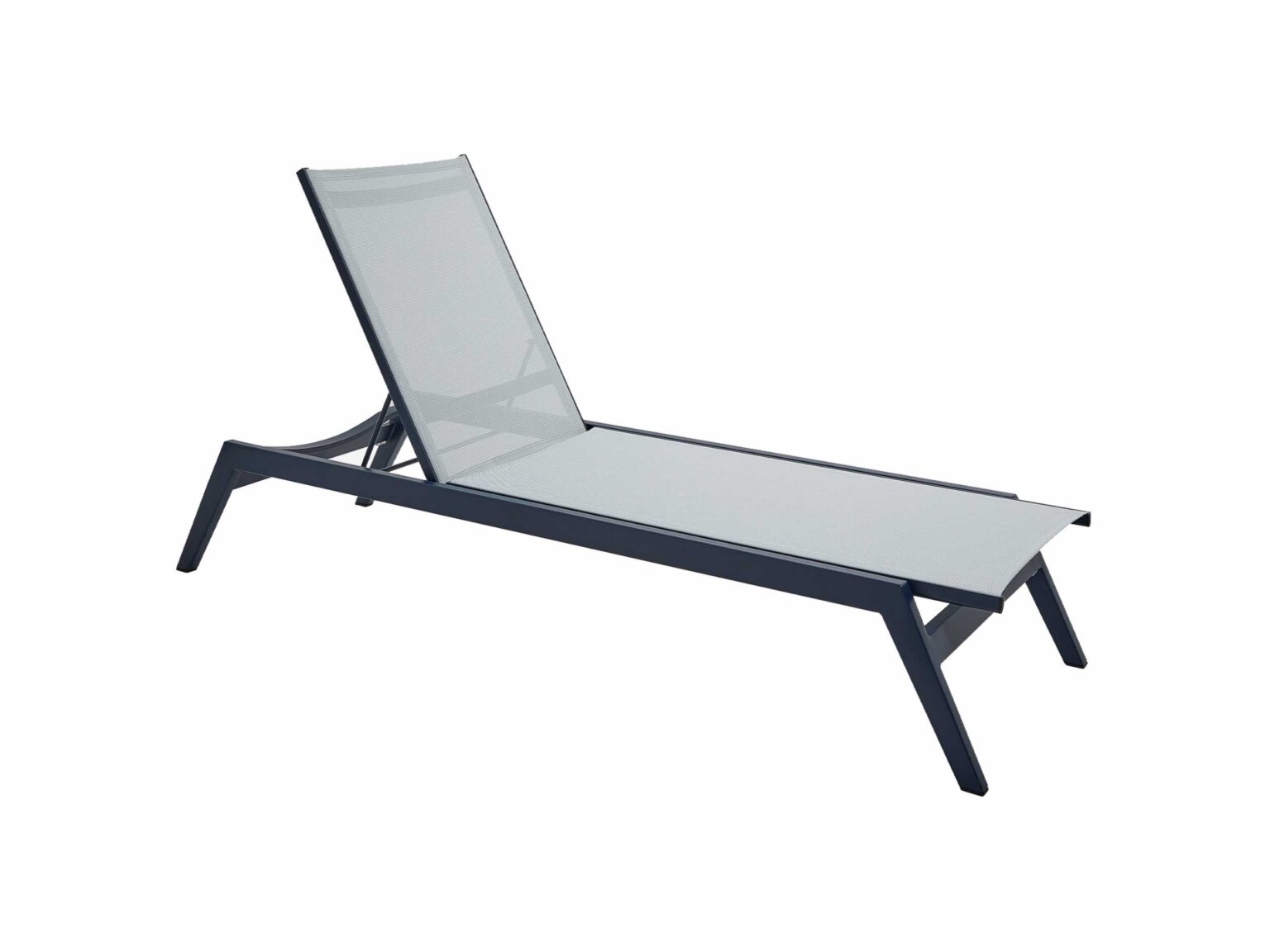
Detail examples to review
Outdoor specification succeeds in the details: drainage, UV stability, corrosion, serviceable hardware, and cleanable construction.

1. Quick Specification Targets
| Item | Typical target | Why it matters |
|---|---|---|
| Typical length | 1900-2200 mm | Supports relaxed full-body lounging. |
| Single width | 800-1100 mm | Fits one guest with room for comfort. |
| Double width | 1500-2000 mm | Supports shared lounge use. |
| Seat or mattress height | 350-500 mm | Balances comfort and ease of entry. |
| Canopy clearance | Project-specific | Affects privacy, wind, and visual weight. |
2. Choose the Right Daybed Type
Choose daybed type by guest experience, exposure, and privacy strategy.
- Single daybed.
- Double daybed.
- Round daybed.
- Canopy daybed.
- Modular daybed.
- Cabana-style daybed.
3. Comfort, Proportion, and Use Case
Daybeds should feel generous while remaining practical for operations.
- Use quick-dry foam for exposed mattresses and cushions.
- Design large covers in manageable sections.
- Coordinate back cushions with real lounging posture.
- Confirm privacy and sightlines in plan and elevation.
- Review canopy stability and wind exposure.
4. Construction and Material Strategy
The cushion system, frame, and canopy need to be planned as one outdoor assembly.
- Powder coated aluminum, teak, treated hardwood, outdoor fabric, marine vinyl, quick-dry foam, UV-stable rope, weave, or canopy fabric.
- Breathable underside for cushions and mattresses.
- Corrosion-resistant fasteners and fixing points.
- Replaceable covers and glides.
- Modular frame sections for installation where needed.
5. Durability and Compliance Questions
For cruise, hospitality, and other heavy-use projects, specify the product as a maintained asset. Ask what must be documented before samples are approved, because the final material package and construction are what matter.
- Use UV-stable finishes, fibers, and upholstery suited to the exposure level.
- Confirm corrosion-resistant frames and hardware, especially in salt-air or pool environments.
- Avoid water traps and specify drainage paths through cushions, tops, frames, and weave details.
- Specify replaceable glides, feet, slings, covers, or wear components before production.
- Confirm cleaning chemistry, cover/storage routine, and project documentation requirements before final sample approval.
Important: compliance is project-specific. Final approval should always be checked against the vessel, flag, class society, owner specification, local code, and the exact material package selected for production.
6. Wear Zones to Detail Before Production
- Mattress top surface.
- Front entry edge.
- Back cushions.
- Canopy attachment points.
- Base feet and glides.
7. Layout Planning
- Leave access around the daybed for service and cleaning.
- Coordinate shade, view, privacy, and circulation.
- Plan cover storage and cushion handling before approval.
- Confirm whether the unit is loose, weighted, linked, or fixed.
8. Common Specification Mistakes
- Treating a daybed as an oversized cushion without drainage.
- Ignoring wind loads on canopy elements.
- Making covers too large for staff to handle.
- Forgetting transport and installation routes.
- Using decorative rope or fabric without UV review.
9. What to Send for a Precise Quotation
The better the input, the faster the specification can become a buildable offer. Include:
- Plan size, cushion height, and configuration.
- Frame finish, fabric reference, and canopy requirement.
- Exposure level, fixing method, and deck surface.
- Cushion drainage, cover, and storage strategy.
- Privacy, shade, and accessory requirements.
- Compliance and documentation requirements.
Ready to specify custom daybeds?
Njords Ark can translate sketches, mood boards, product references, or full drawing packages into a buildable furniture specification for cruise, hospitality, and high-use interior projects.
Contribute to this guide
Are you a cruise, hospitality, marine, or furniture designer with practical experience customizing daybeds? Share a detail, pitfall, material note, or specification lesson and we may include selected notes in a future update.
Contributors can be credited by name and company, or kept anonymous if preferred.
Submit a designer note or use the contact form.


