
Designer’s Guide
Poufs are flexible pieces, but they still need contract-level specification. The best designs can act as occasional seating, ottomans, or lounge accents without losing shape or becoming difficult to clean.
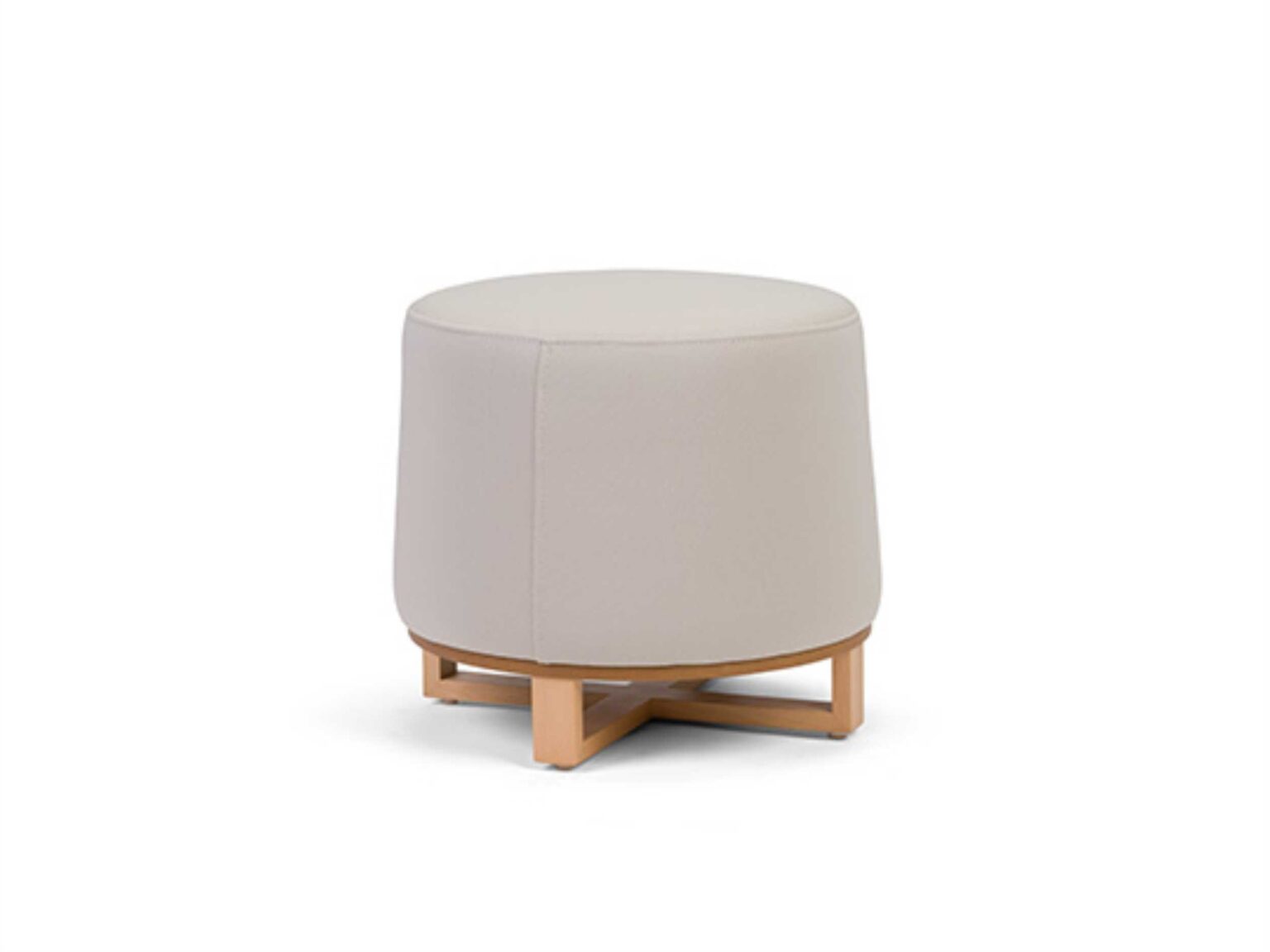 Category reference
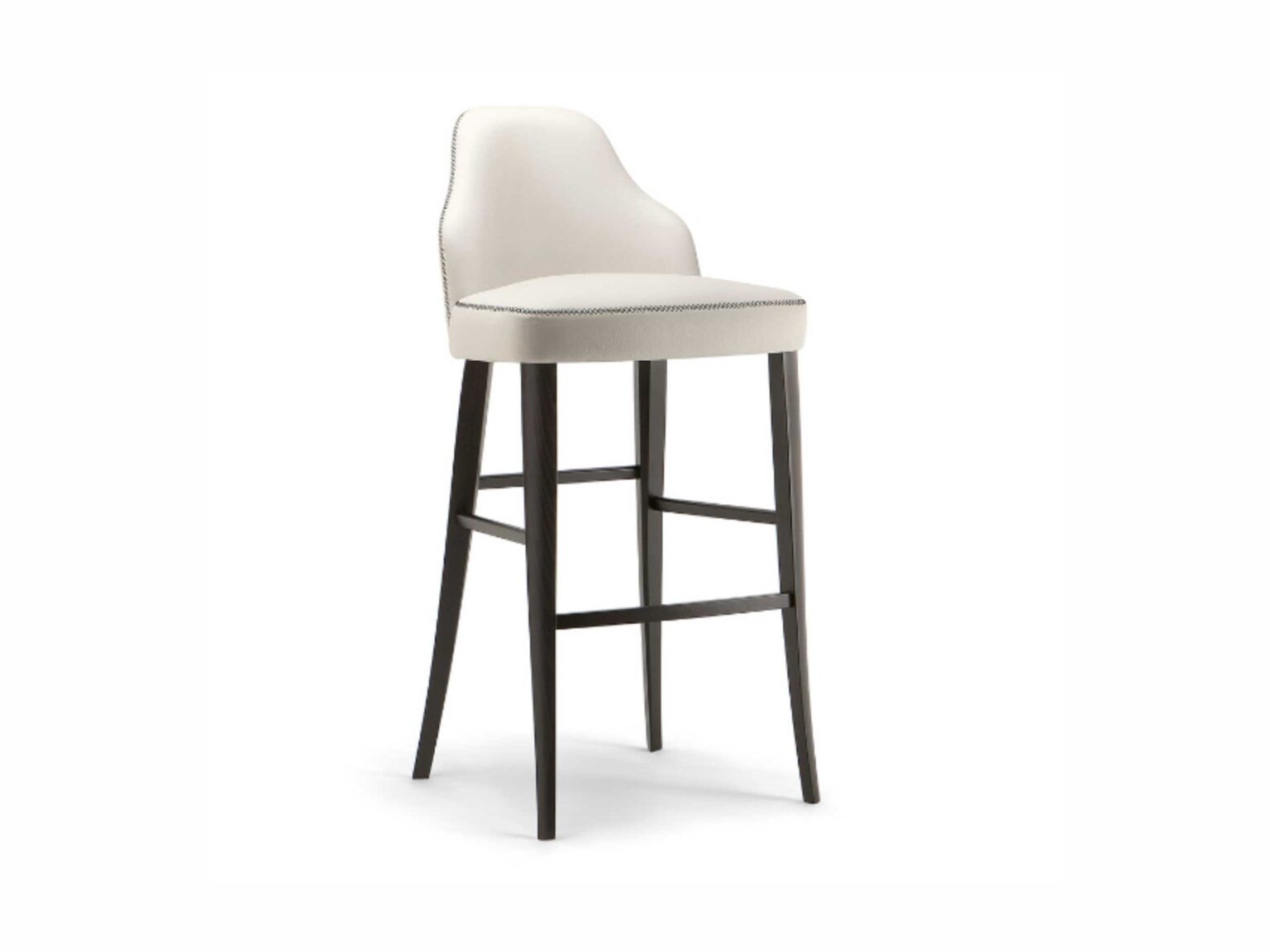
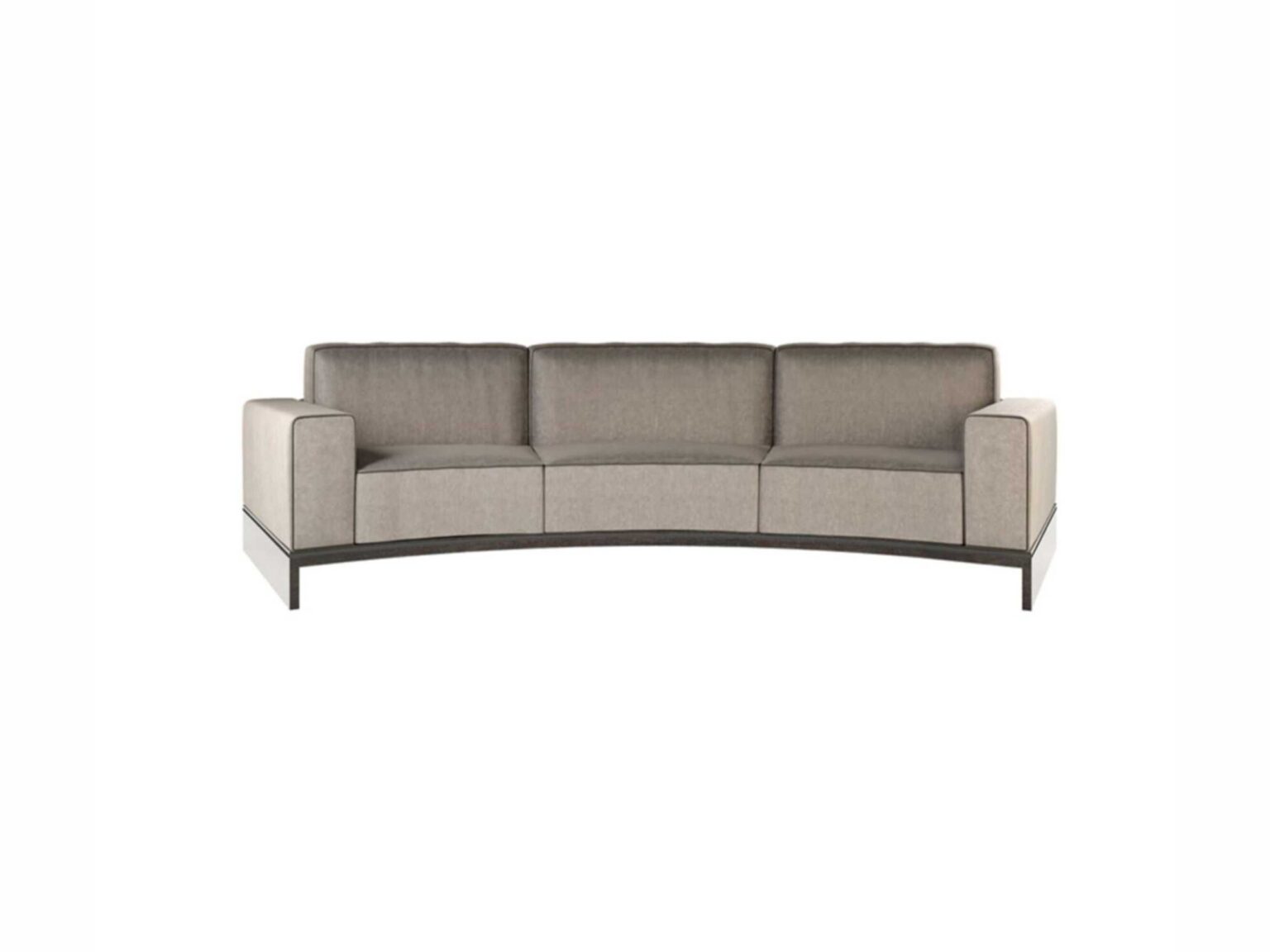
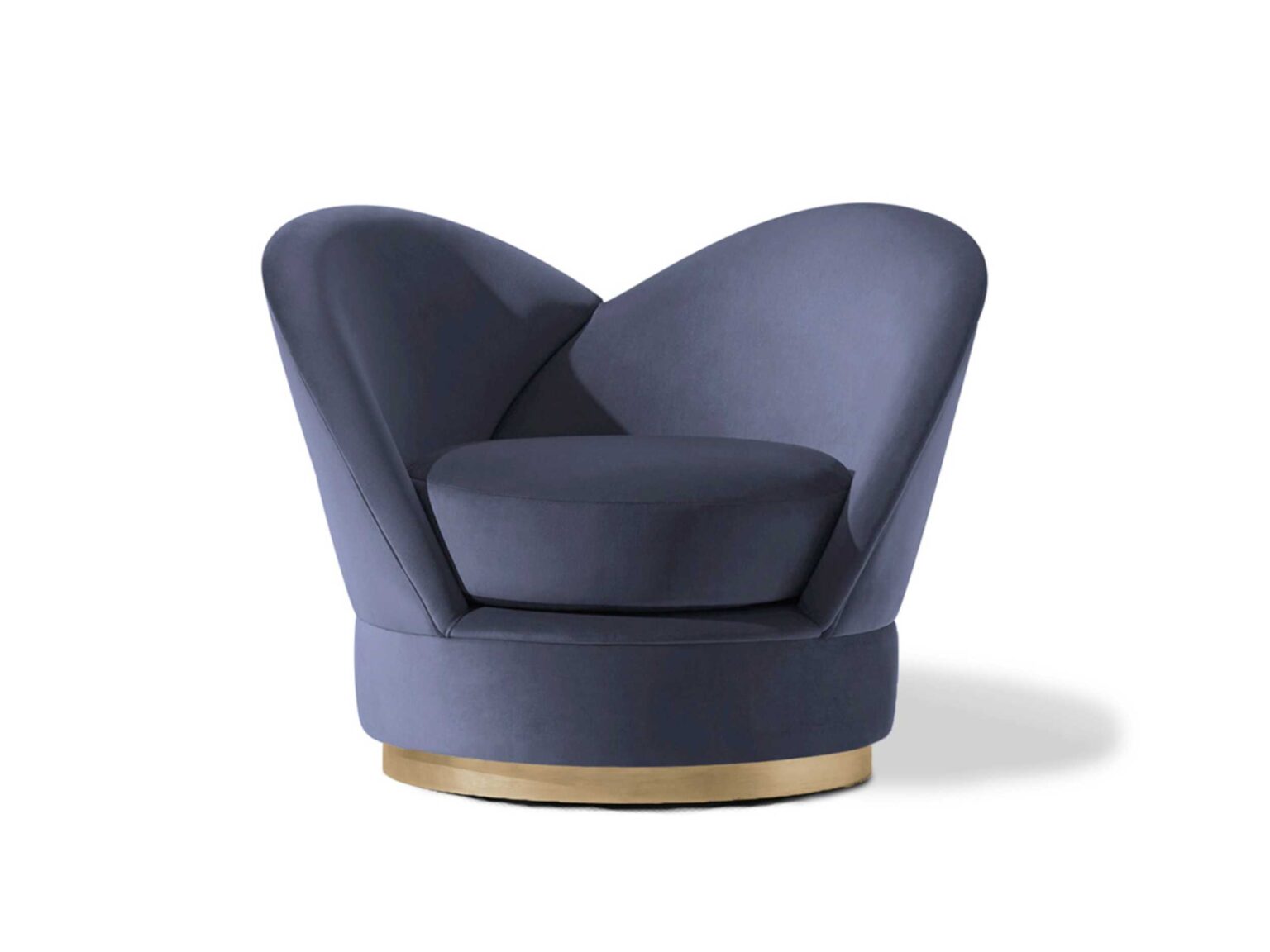
Detail examples to review
Use the photos as prompts for stitch type, seam direction, tufting, panel breaks, piping, edge protection, and wear-zone placement.
1. Quick Specification Targets
| Item | Typical target | Why it matters |
|---|---|---|
| Seat height | 400-470 mm | Keeps poufs usable as occasional seating or ottomans. |
| Single pouf width | 450-700 mm | Balances flexibility and stability. |
| Firmness | Medium-firm | Prevents collapse during edge sitting. |
| Base detail | Hidden glides or low plinth | Protects upholstery and floor contact points. |
2. Choose the Right Pouf Type
Choose the pouf type by function first, then shape.
- Round pouf for flexible lounge groupings.
- Square pouf for modular plans.
- Rectangular ottoman for sofas and beds.
- Storage pouf where hidden function is useful.
- Modular pouf for reconfigurable spaces.
- Bench pouf for corridors, cabins, or lounge edges.
3. Comfort, Proportion, and Use Case
A pouf must feel soft enough to invite use but firm enough to hold shape.
- Use medium-firm foam for seating and ottoman use.
- Reinforce edges where guests sit or push with feet.
- Choose seams that avoid high-rub top corners.
- Confirm weight so the pouf can be moved but does not feel flimsy.
- Use glides or a base detail to keep fabric off the floor.
4. Construction and Material Strategy
The upholstery is the structure guests touch, so seams and lower edges matter.
- High-resilience foam core with fiber wrap.
- Plywood or webbed internal support where needed.
- Contract fabric, leather, or vinyl upholstery.
- Piping, welt, or panel seams for edge definition.
- Hidden glides, plinth, or protective base fabric.
5. Durability and Compliance Questions
For cruise, hospitality, and other heavy-use projects, specify the product as a maintained asset. Ask what must be documented before samples are approved, because the final material package and construction are what matter.
- Upholstery abrasion target: 50,000+ Martindale for high-use public areas where upholstery is used.
- Confirm flame performance, material declarations, and owner documentation requirements before final sample approval.
- Specify cleanable surfaces compatible with the actual housekeeping chemicals and frequency.
- Use replaceable glides, feet, covers, or wear components wherever repeated service is expected.
- Review mockups under project lighting so color, texture, height, and proportion are approved together.
Important: compliance is project-specific. Final approval should always be checked against the vessel, flag, class society, owner specification, local code, and the exact material package selected for production.
6. Wear Zones to Detail Before Production
- Top seating surface.
- Side panels.
- Lower perimeter.
- Seams and piping.
- Glide points and base edge.
7. Layout Planning
- Use poufs to add flexible seats without blocking fixed circulation.
- Keep ottoman height coordinated with lounge chairs and sofas.
- Plan storage for loose poufs in multifunction spaces.
- Avoid placing pale upholstery in shoe-heavy zones.
8. Common Specification Mistakes
- Treating poufs as decorative only.
- Using foam too soft for repeated sitting.
- Putting seams exactly where shoes or knees rub.
- Forgetting lower-edge cleaning.
- Making large poufs too heavy for staff to move.
9. What to Send for a Precise Quotation
The better the input, the faster the specification can become a buildable offer. Include:
- Shape, size, and quantity.
- Function: seating, ottoman, storage, modular, or decorative.
- Upholstery, seam style, and piping requirement.
- Firmness target and internal support.
- Base detail, glides, and floor type.
- Cleaning, compliance, and sample requirements.
Ready to specify custom indoor poufs?
Njords Ark can translate sketches, mood boards, product references, or full drawing packages into a buildable furniture specification for cruise, hospitality, and high-use interior projects.
Contribute to this guide
Are you a cruise, hospitality, marine, or furniture designer with practical experience customizing indoor poufs? Share a detail, pitfall, material note, or specification lesson and we may include selected notes in a future update.
Contributors can be credited by name and company, or kept anonymous if preferred.
Submit a designer note or use the contact form.


