
Designer’s Guide
Indoor lounge chairs carry the personality of a space. They need a generous comfort profile, but they also need the right footprint, turning radius, upholstery construction, and service durability.
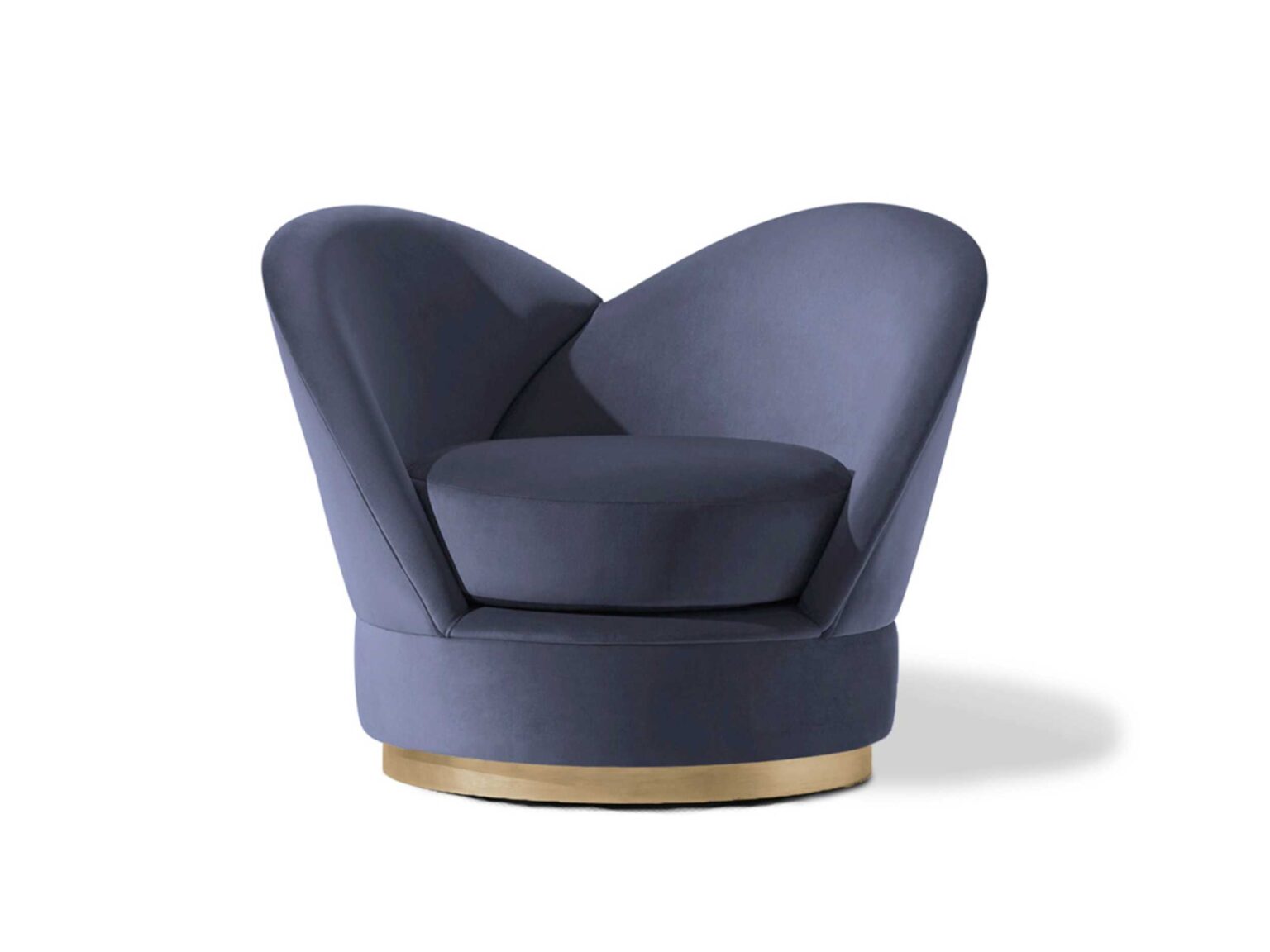 Category reference
Detail examples to review
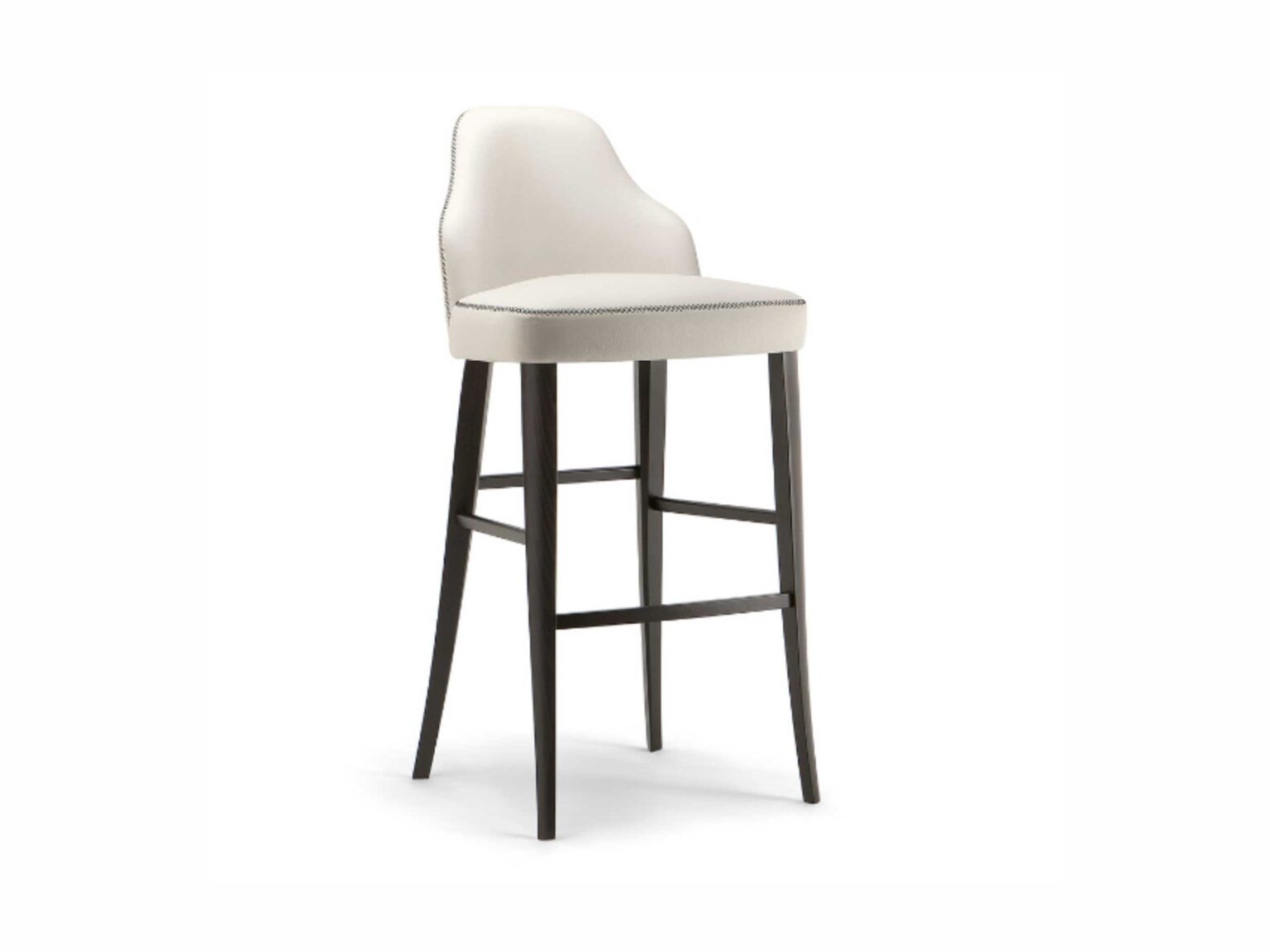
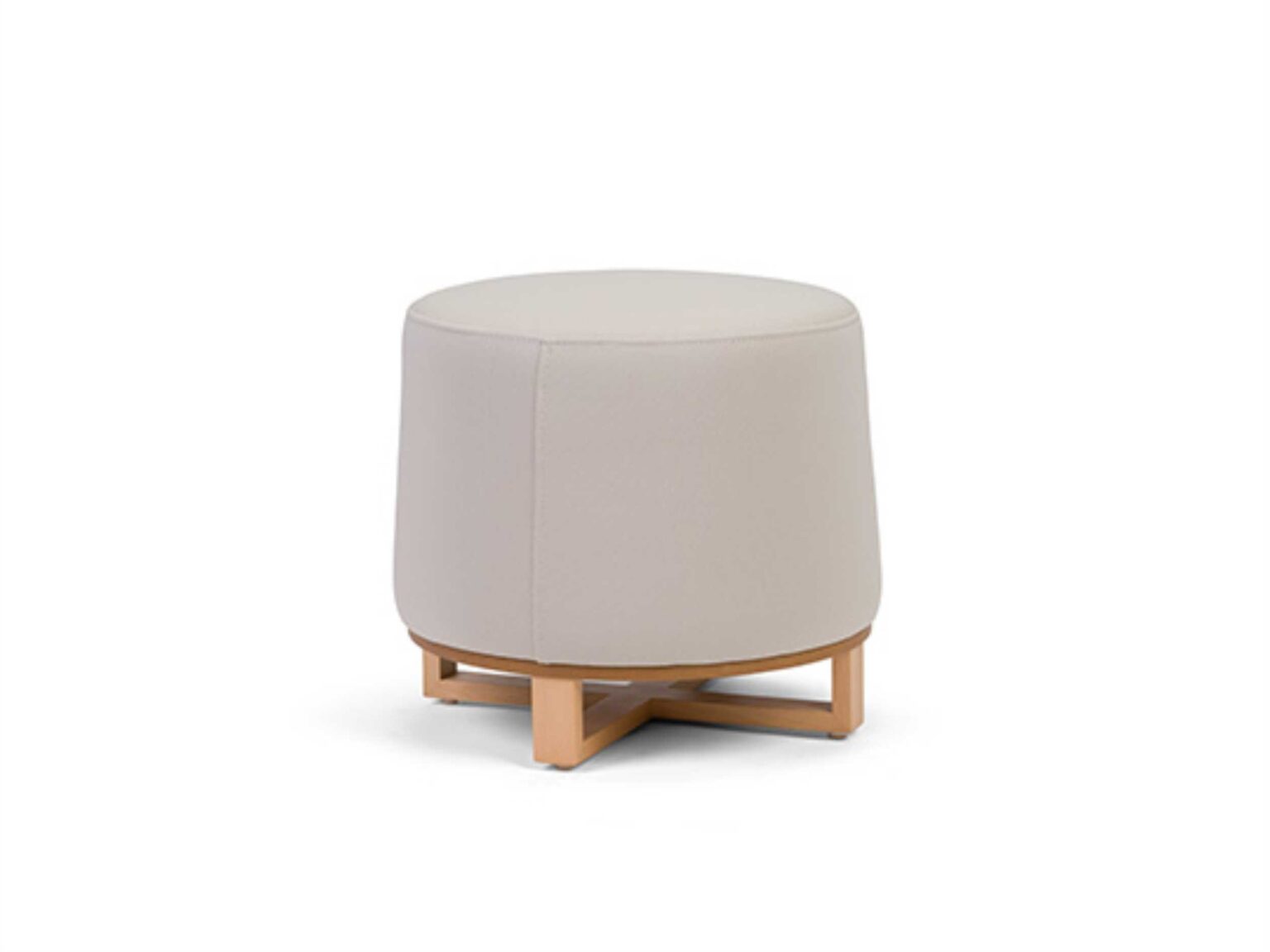
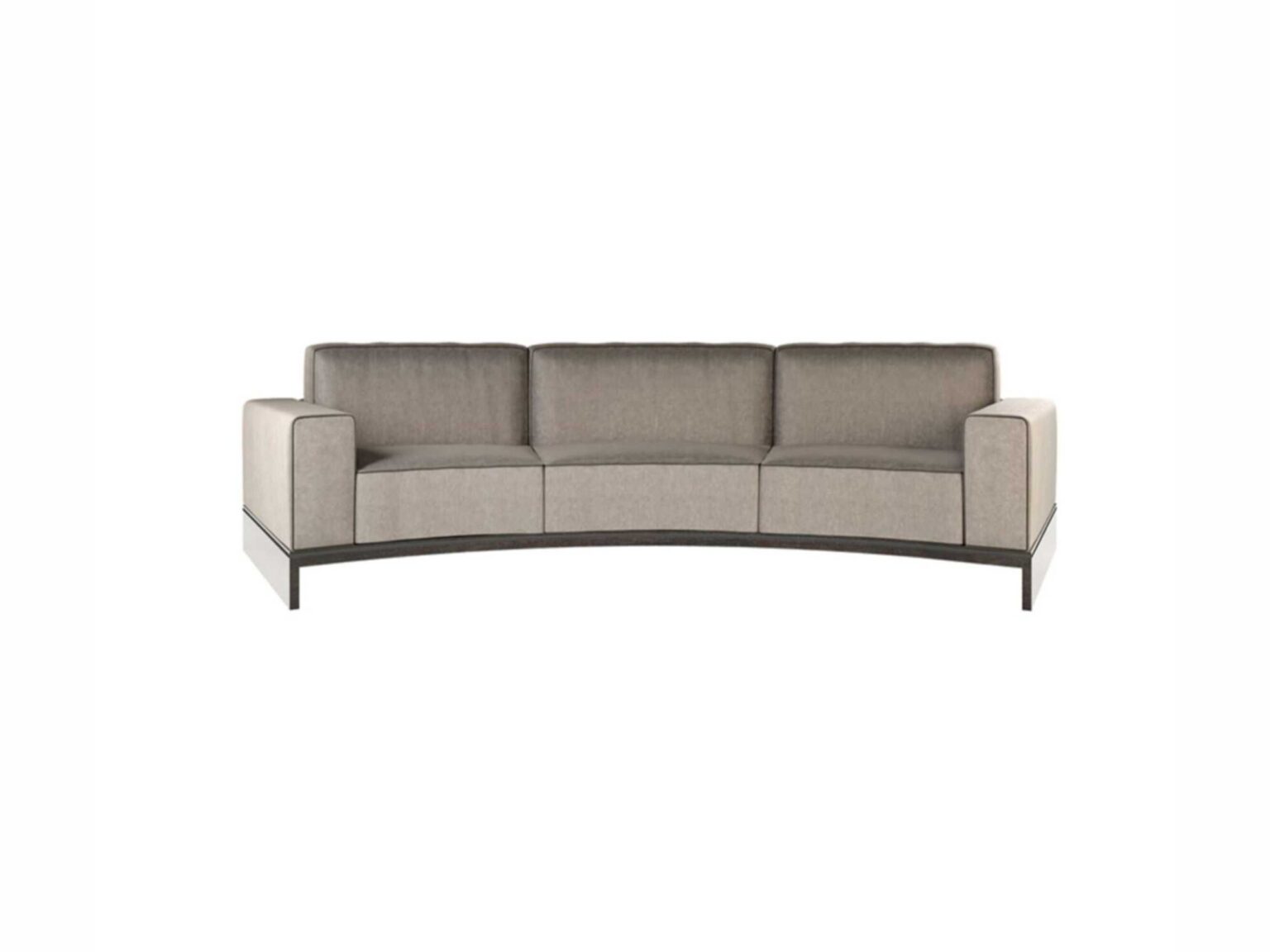
Use the photos as prompts for stitch type, seam direction, tufting, panel breaks, piping, edge protection, and wear-zone placement.
1. Quick Specification Targets
| Item | Typical target | Why it matters |
|---|---|---|
| Seat height | 400-450 mm | Supports relaxed seating while keeping guest movement easy. |
| Seat depth | 500-600 mm | Creates lounge comfort without swallowing the guest. |
| Overall width | 650-850 mm | Sets the footprint and lounge density. |
| Back angle | Approx. 100-115 deg | Defines relaxed posture. |
| Arm height above seat | 180-240 mm | Supports the arm without forcing shoulders up. |
2. Choose the Right Lounge Chair Type
Choose the lounge chair type according to posture, privacy, sightline, and service behavior.
- Club chair for compact premium comfort.
- Tub chair for wrapping support and efficient footprint.
- Wing chair for privacy and visual presence.
- Swivel lounge chair where guests rotate toward views or conversation.
- High-back chair for acoustic comfort and privacy.
- Low lounge chair where sightlines must stay open.
3. Comfort, Proportion, and Use Case
Lounge comfort is about posture and recovery, not just softness.
- Confirm whether the chair is for short conversation or long relaxation.
- Use supportive foam layers rather than soft foam alone.
- Check lumbar support and back angle with real users.
- Coordinate arm height with side tables and drink placement.
- Confirm swivel clearance if a swivel base is used.
4. Construction and Material Strategy
The upholstery and base should be specified for both appearance and repeated contact.
- Hardwood, molded plywood, metal, swivel, or concealed plinth bases.
- High-resilience foam with softer comfort wrap.
- Elastic webbing or spring support deck.
- Fixed or loose cushions depending on maintenance strategy.
- Contract upholstery with reinforced arms and seat front.
5. Durability and Compliance Questions
For cruise, hospitality, and other heavy-use projects, specify the product as a maintained asset. Ask what must be documented before samples are approved, because the final material package and construction are what matter.
- Upholstery abrasion target: 50,000+ Martindale for high-use public areas where upholstery is used.
- Confirm flame performance, material declarations, and owner documentation requirements before final sample approval.
- Specify cleanable surfaces compatible with the actual housekeeping chemicals and frequency.
- Use replaceable glides, feet, covers, or wear components wherever repeated service is expected.
- Review mockups under project lighting so color, texture, height, and proportion are approved together.
Important: compliance is project-specific. Final approval should always be checked against the vessel, flag, class society, owner specification, local code, and the exact material package selected for production.
6. Wear Zones to Detail Before Production
- Arm tops and front arm panels.
- Seat front edge.
- Headrest or back top edge.
- Base contact points.
- Cushion zippers and closure areas.
7. Layout Planning
- Allow 800-1000 mm width per chair in premium settings.
- Leave room for side tables and service access.
- Check swivel chairs against walls, fixed furniture, and table edges.
- Use lower backs where sightlines through the room matter.
8. Common Specification Mistakes
- Specifying too much seat depth for mixed guest sizes.
- Forgetting side-table height and reach.
- Using delicate upholstery on arm tops.
- Approving a swivel chair without checking rotation clearance.
- Ignoring the cleaning route under low bases.
9. What to Send for a Precise Quotation
The better the input, the faster the specification can become a buildable offer. Include:
- Quantity and room location.
- Comfort intent: upright lounge, deep lounge, swivel, high-back, or low-back.
- Target dimensions and reference images.
- Upholstery, contrast piping, and seam direction.
- Base finish and glide requirement.
- Cleaning method, compliance, and sample requirements.
Ready to specify custom indoor lounge chairs?
Njords Ark can translate sketches, mood boards, product references, or full drawing packages into a buildable furniture specification for cruise, hospitality, and high-use interior projects.
Contribute to this guide
Are you a cruise, hospitality, marine, or furniture designer with practical experience customizing indoor lounge chairs? Share a detail, pitfall, material note, or specification lesson and we may include selected notes in a future update.
Contributors can be credited by name and company, or kept anonymous if preferred.
Submit a designer note or use the contact form.


