
Designer’s Guide
Outdoor dining chairs must feel comfortable through a meal while surviving weather, cleaning, salt air, and frequent movement. The specification should make durability visible in the frame, glides, weave, and finish details.
 Category reference
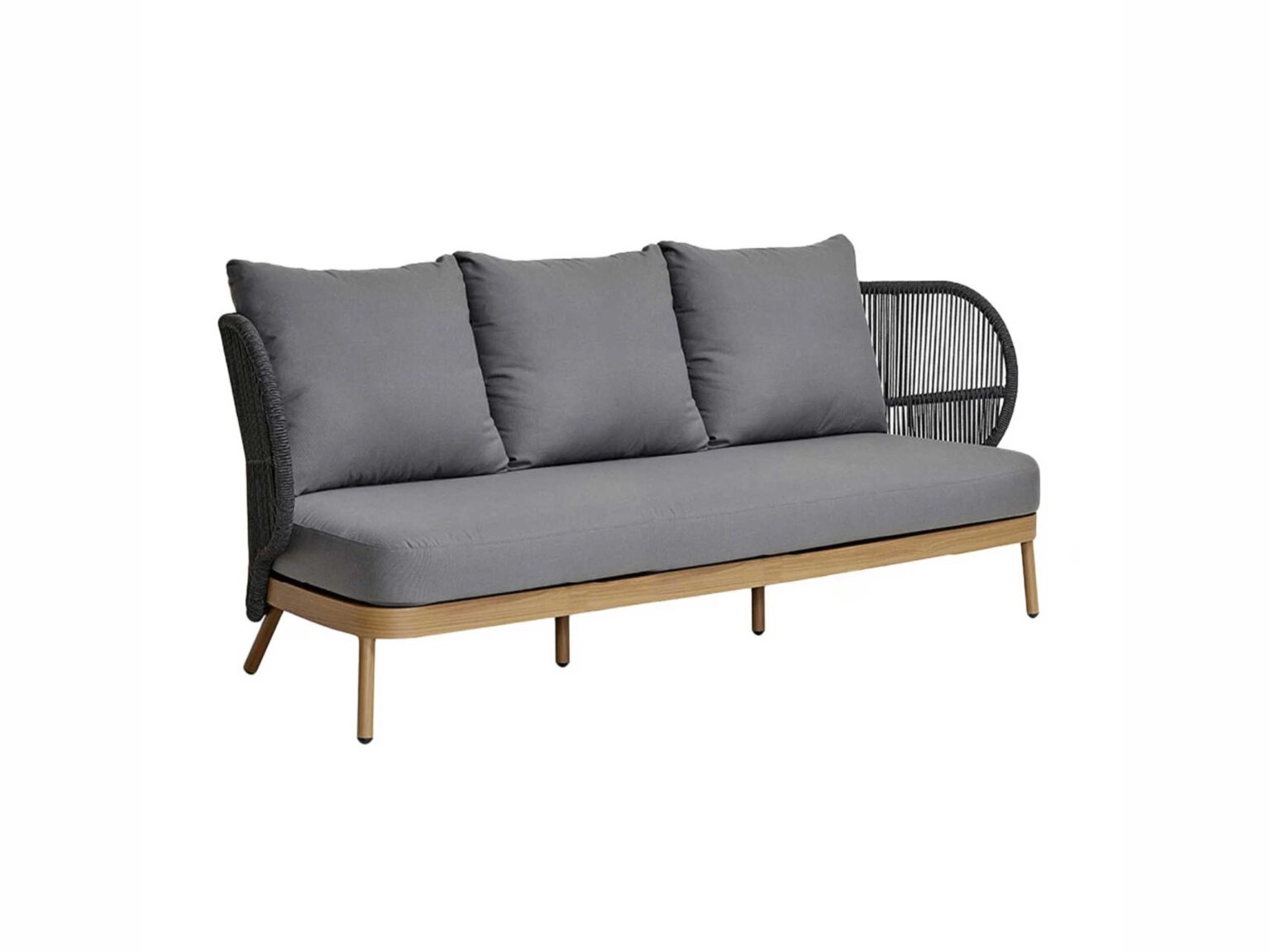
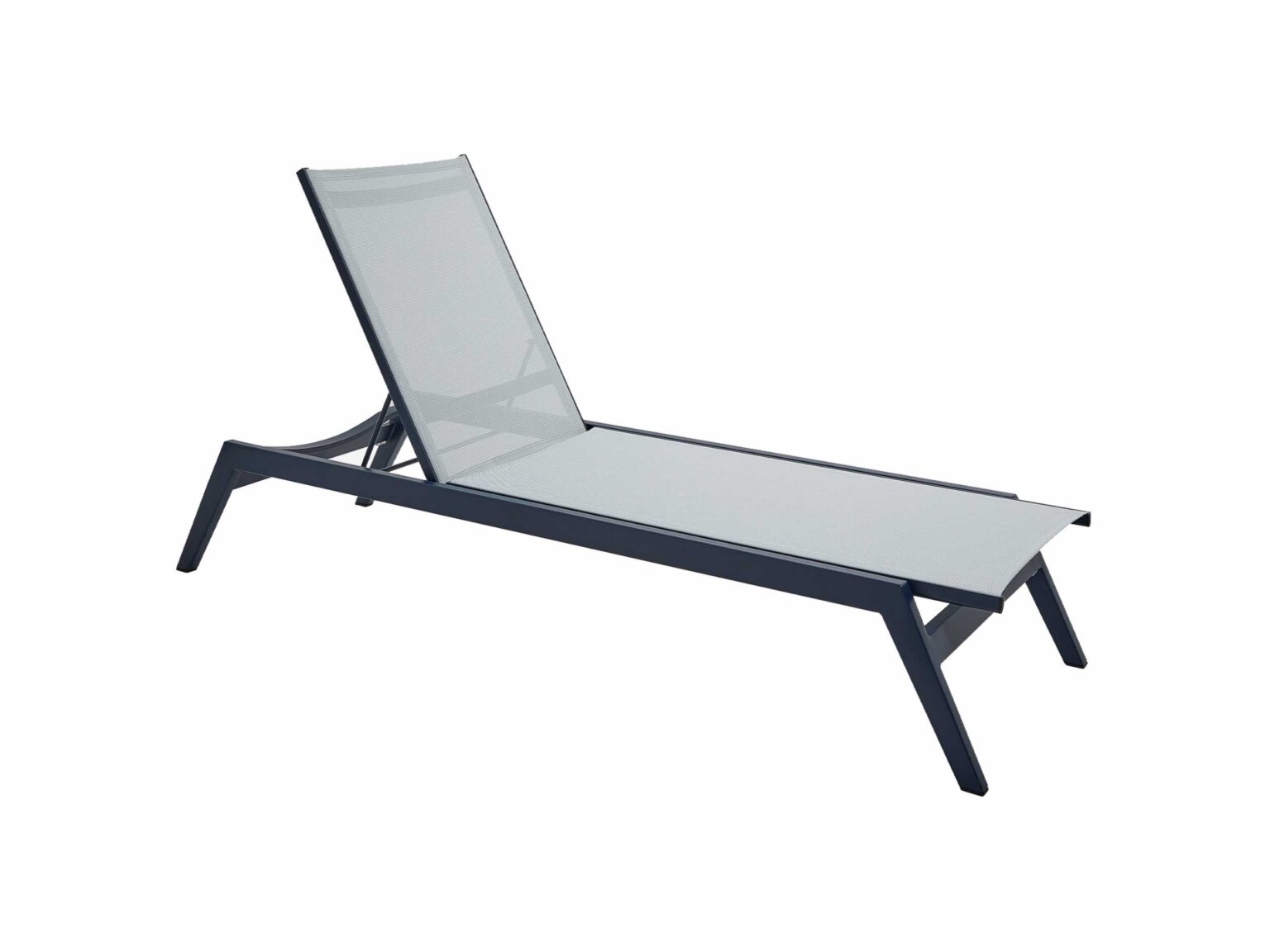
Detail examples to review
Outdoor specification succeeds in the details: drainage, UV stability, corrosion, serviceable hardware, and cleanable construction.

1. Quick Specification Targets
| Item | Typical target | Why it matters |
|---|---|---|
| Seat height | 450-480 mm | Fits standard dining tables. |
| Seat depth | 430-470 mm | Supports meal-length comfort. |
| Seat width | 480-560 mm | Balances comfort and dining density. |
| Back angle | Approx. 95-105 deg | Supports active dining posture. |
| Width per guest | 600-700 mm | Controls table sizing and spacing. |
2. Choose the Right Outdoor Dining Chair Type
Choose the outdoor chair type by exposure, storage, and dining concept.
- Outdoor side chair.
- Outdoor armchair.
- Stackable dining chair.
- Rope or woven chair.
- Sling dining chair.
- Teak and aluminum chair.
3. Comfort, Proportion, and Use Case
Outdoor dining comfort must survive movement, stacking, and cleaning.
- Check armchairs against the table apron.
- Keep chair weight manageable for daily reset.
- Use breathable seats in hot or sunny areas.
- Confirm back support for meal-length use.
- Protect stacking contact points if chairs stack.
4. Construction and Material Strategy
Outdoor dining chairs need corrosion-resistant structure and UV-stable touch surfaces.
- Powder coated aluminum, teak, treated hardwood, rope, synthetic weave, textilene, or sling fabric.
- Stainless steel fasteners in exposed locations.
- Non-marking glides matched to deck or floor finish.
- Drainable seat and back construction.
- Stacking buffers where needed.
5. Durability and Compliance Questions
For cruise, hospitality, and other heavy-use projects, specify the product as a maintained asset. Ask what must be documented before samples are approved, because the final material package and construction are what matter.
- Use UV-stable finishes, fibers, and upholstery suited to the exposure level.
- Confirm corrosion-resistant frames and hardware, especially in salt-air or pool environments.
- Avoid water traps and specify drainage paths through cushions, tops, frames, and weave details.
- Specify replaceable glides, feet, slings, covers, or wear components before production.
- Confirm cleaning chemistry, cover/storage routine, and project documentation requirements before final sample approval.
Important: compliance is project-specific. Final approval should always be checked against the vessel, flag, class society, owner specification, local code, and the exact material package selected for production.
6. Wear Zones to Detail Before Production
- Arm fronts.
- Seat front edge.
- Back top rail.
- Stacking contact points.
- Glides and rear legs.
7. Layout Planning
- Allow 600-700 mm table width per guest.
- Allow 900-1100 mm behind occupied chairs in service aisles.
- Check chair weight against staff movement and wind exposure.
- Confirm stack height and storage location.
8. Common Specification Mistakes
- Using non-marine hardware in exposed salt air.
- Choosing a stackable chair without stack protection.
- Forgetting deck glide compatibility.
- Selecting dark touch surfaces for full sun without review.
- Ignoring storage route and stack height.
9. What to Send for a Precise Quotation
The better the input, the faster the specification can become a buildable offer. Include:
- Quantity and exposure level.
- Chair type, arm requirement, and stacking requirement.
- Frame finish, rope/sling/weave color, and cushion requirement.
- Table height and table type.
- Deck surface, glide requirement, and cleaning routine.
- Compliance and documentation requirements.
Ready to specify custom outdoor dining chairs?
Njords Ark can translate sketches, mood boards, product references, or full drawing packages into a buildable furniture specification for cruise, hospitality, and high-use interior projects.
Contribute to this guide
Are you a cruise, hospitality, marine, or furniture designer with practical experience customizing outdoor dining chairs? Share a detail, pitfall, material note, or specification lesson and we may include selected notes in a future update.
Contributors can be credited by name and company, or kept anonymous if preferred.
Submit a designer note or use the contact form.


